
Trends and Predictions: The Future of Gangs

zoharmusic.com – As we look towards the future, understanding the evolving landscape of street gangs is crucial for policymakers, law enforcement, and communities. This article explores the current trends and predictions regarding the future of gangs, drawing insights from historical studies and contemporary analyses.

Historical Context

The study of street gangs has a rich history, with early insights provided by Frederic Thrasher in his seminal work, “The Gang, A Study of 1,313 Gangs in Chicago,” published in 1927. This study laid the groundwork for understanding the dynamics and challenges associated with street gangs, highlighting the complex interplay of social, economic, and environmental factors that contribute to gang formation and activity.

Current Trends

Demographic Shifts

One of the significant trends observed in recent years is the demographic shift within gang membership. Historically, gangs were predominantly composed of individuals from specific racial or ethnic backgrounds. However, contemporary gangs are increasingly diverse, reflecting broader societal changes. This shift has implications for gang dynamics and the strategies used to combat gang activity.

Technological Influence

The advent of technology has profoundly impacted gang operations. Social media platforms and encrypted communication tools have become essential tools for gang members to organize, communicate, and conduct business. This digital transformation poses new challenges for law enforcement, requiring innovative approaches to surveillance and intelligence gathering.

Economic Factors

Economic conditions continue to play a critical role in gang activity. Areas of high unemployment and poverty are often breeding grounds for gang recruitment. As economic disparities widen, the allure of gang life as a means of survival or status enhancement may increase.

Future Predictions

Increased Specialization

Looking ahead, it is likely that gangs will become increasingly specialized. This could manifest in various forms, such as gangs focusing on specific criminal activities (e.g., drug trafficking, cybercrime) or targeting specific demographics. Specialization could lead to more sophisticated criminal operations and greater challenges for law enforcement.

Enhanced Technological Use

The integration of technology is expected to continue, with gangs leveraging advanced tools for everything from recruitment to money laundering. This trend will necessitate ongoing advancements in cybersecurity and digital forensics to combat gang activities effectively.

Community Engagement

A promising trend is the growing emphasis on community-based interventions to address the root causes of gang activity. Programs that focus on education, employment, and social inclusion are showing promise in reducing gang involvement and improving community safety. As these approaches gain traction, they could play a crucial role in shaping the future of gang prevention and intervention.

Conclusion

The future of gangs is complex and multifaceted, influenced by historical precedents, current trends, and emerging technologies. By understanding these dynamics, policymakers and community leaders can develop more effective strategies to mitigate gang activity and promote safer, more inclusive communities. The key to success lies in a holistic approach that addresses both the immediate challenges and the underlying social and economic factors that contribute to gang formation.
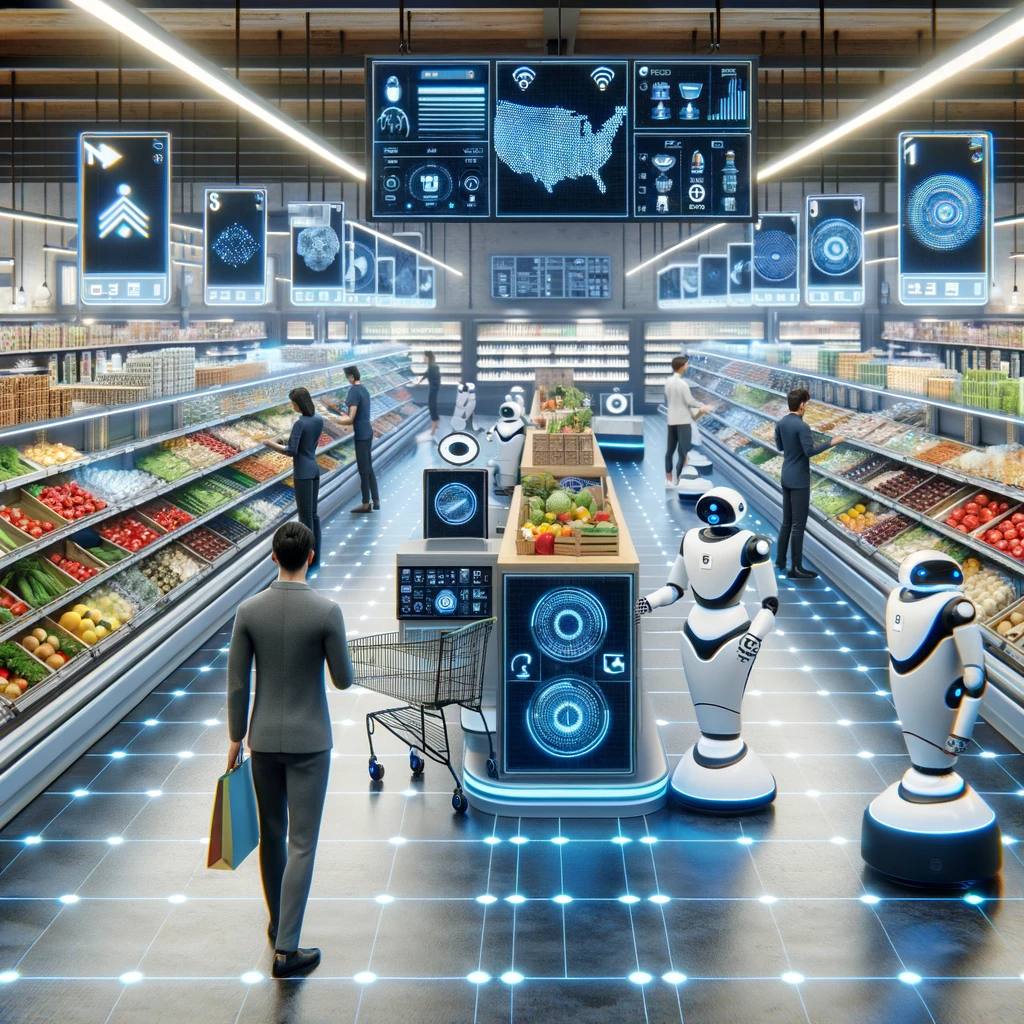

Embracing Technology and Innovation: The Future of Grocery Stores

zoharmusic.com – The grocery shopping experience is on the cusp of a transformative evolution, driven by advancements in technology and a surge in consumer demand for convenience, personalization, and sustainability. As we peer into the future, it’s clear that grocery stores are not just places to buy food but are becoming hubs of innovation, integrating digital solutions and novel concepts to redefine the way we shop. This article explores the exciting technological advancements and innovative strategies that are shaping the future of grocery stores.

  1. Automation and Robotics:
    One of the most significant changes in grocery stores will be the increased use of automation and robotics. From automated checkout systems that use computer vision and AI to scan items and process payments, to robotic arms that restock shelves, these technologies promise to make shopping more efficient and reduce labor costs. Autonomous robots are also being deployed for tasks such as cleaning floors, monitoring inventory levels, and even assisting customers with navigation and product recommendations.
  2. AI and Personalization:
    Artificial intelligence is set to revolutionize the shopping experience by offering personalized recommendations based on individual shopping habits, dietary preferences, and even health data. Smart shelves equipped with sensors can detect when products are low and automatically reorder, while interactive displays can suggest complementary items or healthier alternatives. Personalized shopping lists and dietary plans can be generated through AI-powered apps, enhancing the customer experience and promoting healthier eating habits.
  3. Augmented Reality (AR) and Virtual Reality (VR):
    AR and VR technologies are beginning to make their mark in the grocery industry. Shoppers can use AR apps to visualize products in their home environment before purchasing, or to access nutritional information and cooking instructions in real-time. VR can be used for virtual grocery shopping, allowing customers to navigate a virtual store and make selections from the comfort of their own home, with delivery or in-store pickup options.
  4. Sustainability and Eco-friendly Practices:
    The future of grocery stores will also be defined by a strong commitment to sustainability. Stores will adopt eco-friendly packaging, reduce food waste through smart inventory management, and implement energy-efficient systems. Some stores may even have on-site vertical farms or hydroponic systems, providing ultra-fresh produce and reducing the carbon footprint associated with transportation.
  5. E-commerce Integration and Click-and-Collect:
    The growth of online grocery shopping has been meteoric, and this trend is set to continue. Grocery stores will increasingly integrate their physical and online presence, offering seamless click-and-collect services where customers can order online and pick up their groceries in-store or curbside. Some stores may also double as local distribution centers for online orders, optimizing delivery logistics and reducing delivery times.
  6. Health and Wellness Focus:
    There will be a greater emphasis on health and wellness, with grocery stores acting as educational centers for nutrition and healthy living. In-store dietitians may become commonplace, offering personalized advice and cooking classes. Stores will also feature technology that helps customers make informed decisions about their food choices, such as interactive nutrition labels and allergen alerts.
  7. Payment and Checkout Innovations:
    The checkout process is being streamlined with contactless payments, mobile wallets, and self-checkout kiosks becoming the norm. Some stores are even experimenting with checkout-free technology, where shoppers simply scan an app upon entry, take what they need, and walk out, with payments processed automatically based on what they’ve picked up.

Conclusion:
The future of grocery stores is a blend of convenience, technology, and sustainability. As these innovations continue to develop, the grocery shopping experience will become more personalized, efficient, and environmentally friendly. Retailers that embrace these changes and invest in technology and innovation will not only meet the evolving needs of their customers but also set new standards for the grocery industry. The transformation is already underway, and it’s an exciting time to be a part of this evolving landscape.

Sustainable Practices for a Digital Future: Green Computing

In an era where digital technology is an integral part of our daily lives, the environmental impact of computing has become a growing concern. The rapid growth of the tech industry, with its insatiable demand for energy and resources, has led to significant carbon emissions and electronic waste. Green computing, also known as sustainable computing, is an approach to designing, manufacturing, using, and disposing of computers and related devices in an environmentally responsible manner. This article explores the sustainable practices that are paving the way for a digital future that is kinder to our planet.

Energy Efficiency:
One of the cornerstones of green computing is energy efficiency. This involves designing hardware and software to minimize power consumption without compromising performance. Energy Star is a program that certifies electronics that meet certain energy efficiency criteria. Companies and consumers alike can contribute to green computing by choosing Energy Star-certified products and implementing power-saving settings, such as sleep modes and automatic shutdowns.

Virtualization and Cloud Computing:
Virtualization and cloud computing are transforming the way we use and store data. By consolidating server workloads onto fewer machines, virtualization reduces the number of physical servers needed, leading to lower energy consumption and carbon footprints. Cloud computing allows for the sharing of resources, reducing the need for individual hardware and promoting a more sustainable use of computing power.

E-Waste Management:
The proper disposal of electronic waste is a critical aspect of green computing. E-waste contains hazardous materials that can pollute the environment if not handled correctly. Recycling programs and initiatives that promote the reuse of electronics help to minimize the amount of e-waste in landfills. Additionally, designing electronics for easier repair and upgrade can extend their lifespan, further reducing waste.

Renewable Energy:
Powering data centers and computing devices with renewable energy sources, such as solar, wind, and hydroelectric power, is a significant step towards green computing. Companies are increasingly investing in renewable energy projects or purchasing renewable energy credits to offset their carbon footprints. This shift not only reduces the reliance on fossil fuels but also ensures a more sustainable energy supply for the digital world.

Sustainable Manufacturing:
The manufacturing process of computing devices is resource-intensive and often involves the use of toxic materials. Green computing encourages the use of sustainable materials and processes, such as the use of recycled plastics and the reduction of hazardous substances. Companies are also exploring closed-loop manufacturing, where products are designed to be easily disassembled and their materials reused in new products.

Green Software Development:
Software development can also contribute to green computing. Developers can create applications that are optimized for energy efficiency, reducing the load on hardware and, consequently, energy consumption. Additionally, software can be designed to help users make more environmentally friendly choices, such as apps that track energy usage or promote sustainable practices.

Conclusion:
Green computing is not just a trend; it is a necessity for a sustainable digital future. By adopting energy-efficient technologies, embracing virtualization and cloud computing, managing e-waste responsibly, harnessing renewable energy, promoting sustainable manufacturing, and developing green software, we can reduce the environmental impact of our digital activities. As consumers, businesses, and policymakers, we all have a role to play in fostering a culture of sustainability in the tech industry. Together, we can ensure that the digital revolution does not come at the expense of our planet.