Menyelamatkan Laut: Upaya Konservasi untuk Spesies Laut Terancam Punah

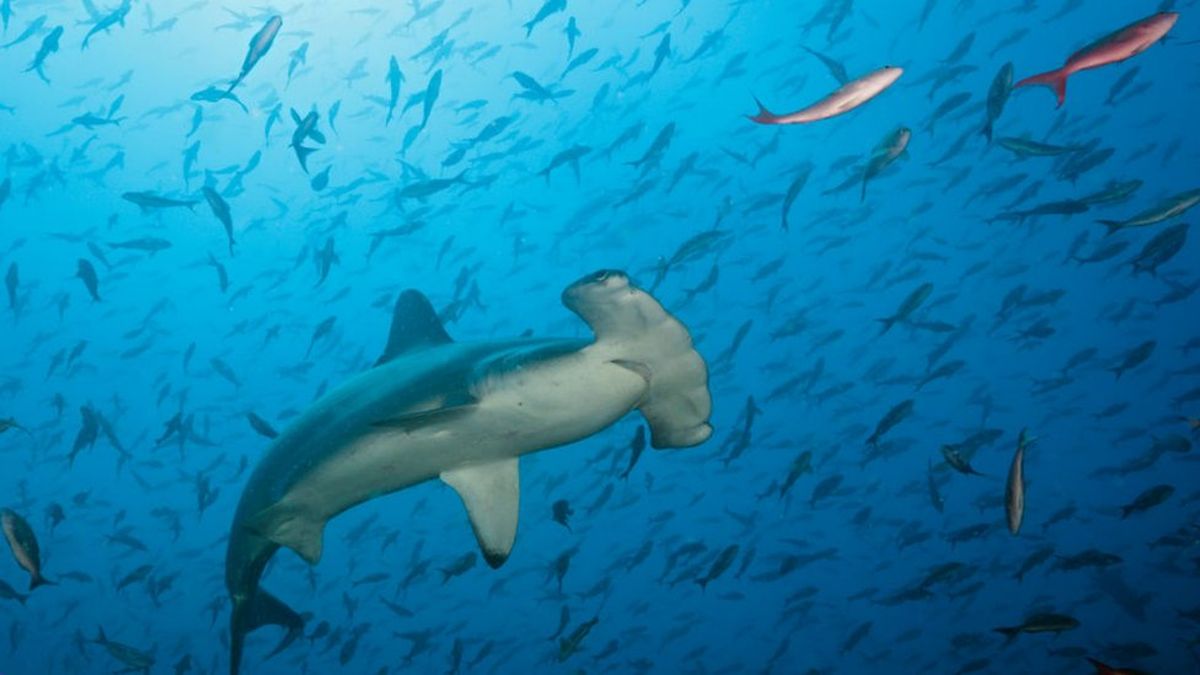
zoharmusic.com – Lautan adalah rumah bagi keanekaragaman hayati yang luar biasa, namun banyak spesies laut yang kini terancam punah akibat polusi, perburuan liar, dan perubahan iklim. Upaya konservasi yang efektif sangat penting untuk melindungi spesies-spesies ini. Salah satu langkah utama adalah pembentukan area perlindungan laut, di mana aktivitas manusia dibatasi untuk memberikan ruang aman bagi satwa laut berkembang biak.

Selain itu, pengurangan polusi plastik menjadi fokus penting dalam upaya pelestarian. Plastik yang mencemari laut dapat membunuh makhluk laut secara langsung atau merusak habitat mereka. Program edukasi dan peningkatan kesadaran publik mengenai pentingnya menjaga kebersihan laut juga memainkan peran besar dalam mengurangi dampak polusi.

Penyuluhan tentang keberlanjutan dalam sektor perikanan juga sangat vital. Praktik perikanan yang berkelanjutan dan ramah lingkungan, seperti penangkapan ikan terukur dan penggunaan alat tangkap yang tidak merusak ekosistem, dapat membantu menjaga keseimbangan ekosistem laut. Dengan kolaborasi antara pemerintah, organisasi lingkungan, dan masyarakat, kita dapat memberikan perlindungan yang lebih baik bagi spesies laut yang terancam punah dan melestarikan keindahan serta fungsi vital laut bagi planet kita.

Peran Penting Penyu dalam Menjaga Keseimbangan Laut

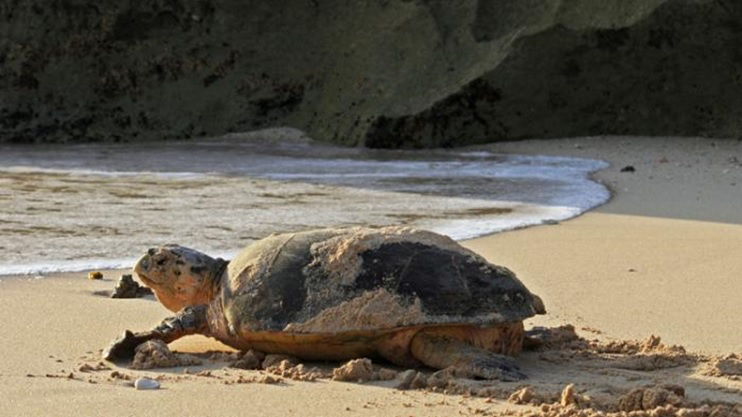
zoharmusic.com – Penyu memiliki peran krusial dalam menjaga keseimbangan ekosistem laut. Sebagai pemangsa penting, mereka membantu mengendalikan populasi hewan-hewan laut lainnya, seperti ubur-ubur yang dapat berkembang biak dengan pesat tanpa predator alami. Dengan memakan ubur-ubur, penyu membantu menjaga kestabilan rantai makanan laut, menghindari gangguan pada ekosistem.

Selain itu, penyu juga berperan dalam menjaga kesehatan padang lamun dan terumbu karang. Mereka membantu memelihara kelangsungan hidup terumbu karang dengan mengatur populasi spesies yang terlalu banyak memakan tanaman laut, menjaga kualitas habitat tersebut.

Namun, populasi penyu semakin terancam oleh perburuan, kehilangan habitat, serta polusi plastik yang merusak habitat mereka. Perlindungan penyu menjadi sangat penting untuk mempertahankan keseimbangan alam di lautan dan memastikan kelangsungan ekosistem laut yang sehat.

Shaping the Earth’s Climate: Ocean Currents

zoharmusic.com – Ocean currents are powerful and dynamic forces that play a crucial role in shaping the Earth’s climate. These currents, driven by a combination of temperature, salinity, and wind, influence weather patterns, marine ecosystems, and even human societies. Understanding the complex interplay between ocean currents and climate is essential for predicting future climate changes and mitigating their impacts.

The Role of Ocean Currents in Climate Regulation

Ocean currents act as conveyor belts, transporting warm water from the equator towards the poles and cold water from the poles back to the equator. This heat exchange moderates global temperatures, making some regions warmer and others cooler than they would otherwise be. For instance, the Gulf Stream, a warm current in the North Atlantic, keeps Western Europe much warmer than other regions at the same latitude.

Impact on Weather Patterns

Ocean currents also influence weather patterns by affecting atmospheric conditions. The heat and moisture they carry can lead to the formation of storms and hurricanes, particularly in tropical regions. Conversely, cold currents can stabilize the atmosphere, leading to drier and more temperate climates.

Influence on Marine Ecosystems

The movement of ocean currents is vital for marine ecosystems. They transport nutrients, plankton, and larvae across vast distances, supporting diverse marine life. Upwelling currents, for example, bring nutrient-rich water to the surface, fueling the growth of phytoplankton and sustaining entire food chains.

Human Societies and Ocean Currents

Throughout history, ocean currents have shaped human societies by influencing migration patterns, trade routes, and even the development of civilizations. The Kuroshio Current, for example, has played a significant role in Japan’s maritime culture and economy.

The Threat of Climate Change

Climate change poses a significant threat to the stability of ocean currents. Rising temperatures and melting ice caps can alter the salinity and temperature gradients that drive these currents. The potential slowdown or disruption of currents like the Atlantic Meridional Overturning Circulation (AMOC) could have profound effects on global climate patterns, leading to more extreme weather events and sea-level rise.

Conclusion

Ocean currents are integral to the Earth’s climate system, influencing weather, ecosystems, and human societies. As we face the challenges of climate change, understanding and protecting these currents is more important than ever. By doing so, we can work towards a sustainable future where the delicate balance of our planet’s climate is preserved for generations to come.

The Natural Beauty & Attractions of Minnesota’s North Shore

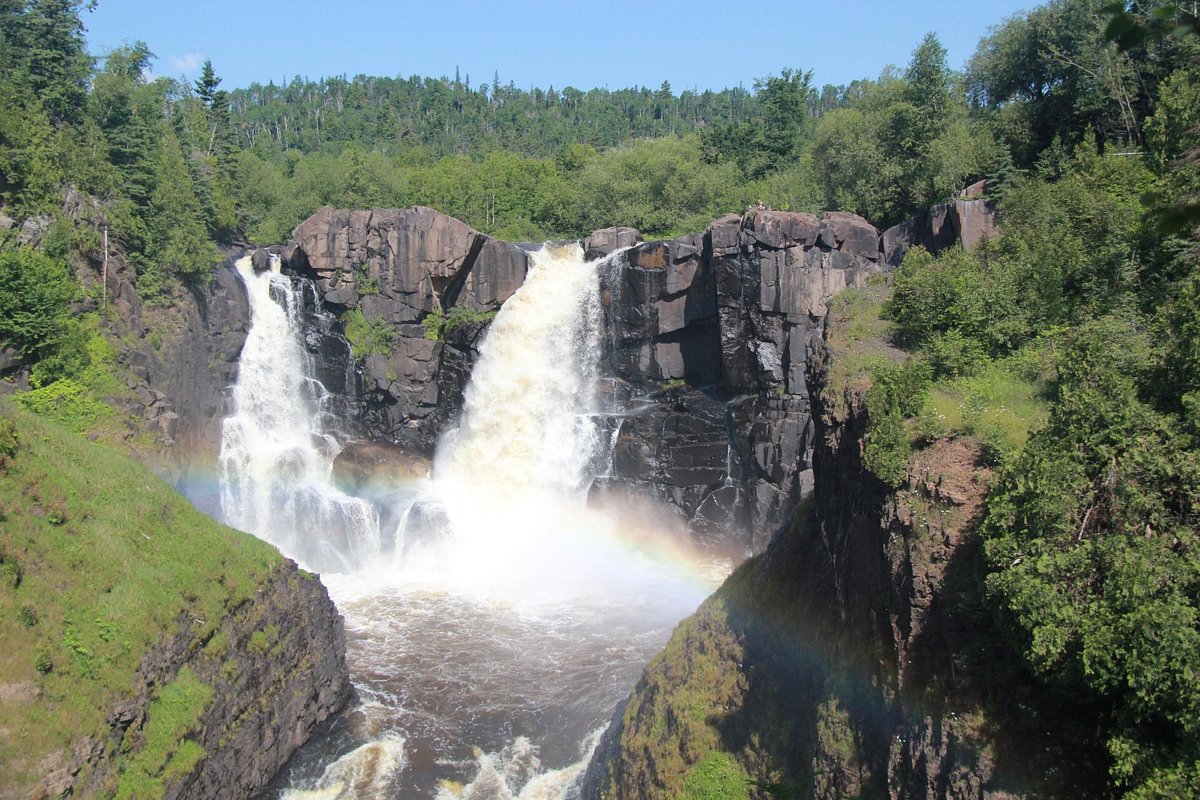
zoharmusic.com – Minnesota’s North Shore is a captivating region that offers a blend of natural beauty, rich history, and diverse activities for visitors. Stretching along the shores of Lake Superior, this area is renowned for its stunning landscapes, making it a popular destination for both locals and tourists.

Top Attractions and Activities

  1. State Parks and Hiking Trails
    The North Shore is home to eight Minnesota State Parks, each offering breathtaking riverside hiking and lakefront views. These parks are among the finest in the state, providing a perfect setting for nature lovers and adventure seekers alike1.
  2. Canal Park
    Located in Duluth, Canal Park is a vibrant area that attracts tourists with its scenic views of the lake and bustling activity. Tourists often line the rocky beach to enjoy the picturesque setting and explore the local shops and restaurants3.
  3. Hidden Gems
    Beyond the popular state parks, the North Shore also features hidden gems that offer unique experiences. From secluded beaches to lesser-known hiking trails, these spots provide a more intimate connection with the natural environment2.
  4. Local Guided Tours
    For those looking to maximize their experience, local guides offer insights into the area’s history and culture. These tours can range from scenic drives to in-depth explorations of the region’s natural and human-made landmarks4.

Planning Your Visit

Planning a trip to the North Shore involves considering the best times to visit, as the region’s beauty changes with the seasons. Spring and fall are particularly beautiful, with vibrant foliage and fewer crowds. Summer is also a popular time, offering warm weather and a variety of outdoor activities.

Conclusion

Minnesota’s North Shore is a treasure trove of natural beauty and cultural richness. Whether you’re an avid hiker, a history buff, or simply looking for a peaceful getaway, this region has something to offer. With its stunning landscapes, rich history, and diverse activities, the North Shore promises a memorable experience for all visitors.

For more detailed information and specific recommendations, consider exploring the resources available from local tourism boards and guides who are passionate about sharing the wonders of this beautiful part of Minnesota.

Portugal’s Island of Eternal Spring: Madeira

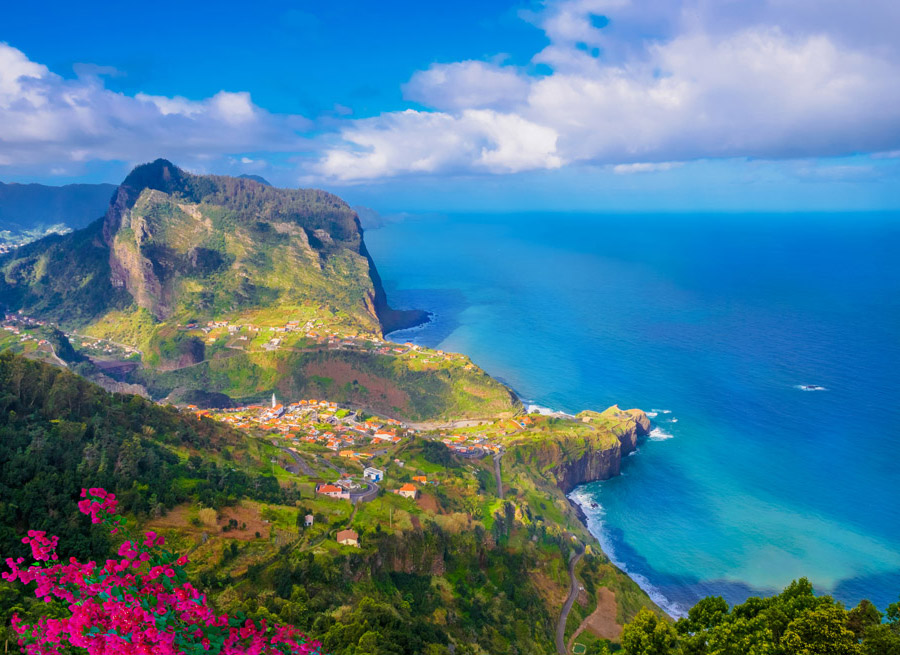
zoharmusic.com – Nestled in the Atlantic Ocean, approximately 500 kilometers off the northwest coast of Africa, lies the enchanting island of Madeira. This Portuguese archipelago, known for its year-round mild climate, lush landscapes, and vibrant culture, has rightfully earned the moniker “The Island of Eternal Spring.” Madeira is a paradise for nature lovers, adventure seekers, and those in search of a unique European getaway.

A Brief Overview of Madeira

Madeira is the largest island in the Madeiran archipelago, which also includes Porto Santo Island, the Desertas, and the Selvagens. The capital, Funchal, is a bustling city that seamlessly blends historical charm with modern amenities. The island’s unique climate is a result of its geographical location, which ensures warm temperatures and abundant rainfall, making it an ideal destination for visitors looking to escape the harshness of winter or the sweltering heat of summer.

The Natural Beauty of Madeira

Madeira’s landscape is a testament to the island’s nickname. With its rugged coastline, towering mountains, and verdant valleys, the island offers a breathtaking backdrop for outdoor activities. The Laurisilva forests, a UNESCO World Heritage site, are a must-visit for nature enthusiasts. These ancient forests are home to a diverse range of flora and fauna, providing a serene environment for hiking and bird watching.

The island’s levada system, a network of irrigation channels, offers some of the most scenic walks in Europe. These levada trails wind through the countryside, offering hikers the chance to experience Madeira’s natural beauty up close.

Adventure and Relaxation

For those seeking adventure, Madeira does not disappoint. The island offers a variety of activities, including mountain biking, canyoning, and paragliding. The waters around Madeira are also ideal for whale and dolphin watching, as well as deep-sea fishing.

However, Madeira is not just for the adrenaline junkies. The island is also the perfect destination for those looking to relax and unwind. The thermal waters of Calheta and the black sand beaches of Porto Moniz offer a tranquil escape. Visitors can also indulge in the island’s renowned cuisine, which features fresh seafood, locally grown fruits, and the famous Madeira wine.

Culture and History

Madeira is rich in culture and history, with influences from its Portuguese heritage and the various explorers who have visited the island over the centuries. The annual Madeira Flower Festival, or Festa da Flor, is a vibrant celebration of the island’s natural beauty, featuring elaborate floral displays and parades.

The Monte Palace Tropical Garden, located just outside Funchal, is another cultural gem. This botanical garden is home to a diverse collection of plants and flowers, as well as several Japanese-inspired gardens and koi ponds.

Conclusion

Madeira truly is Portugal’s Island of Eternal Spring, offering a unique blend of natural beauty, adventure, relaxation, and cultural richness. Whether you’re looking to explore the great outdoors, indulge in the local cuisine, or simply soak up the sun on a black sand beach, Madeira has something to offer every traveler. As you plan your next getaway, consider the enchanting island of Madeira – a place where spring never ends, and the beauty of nature is always in bloom.
Climate Change: Causes, Impacts, and Solutions

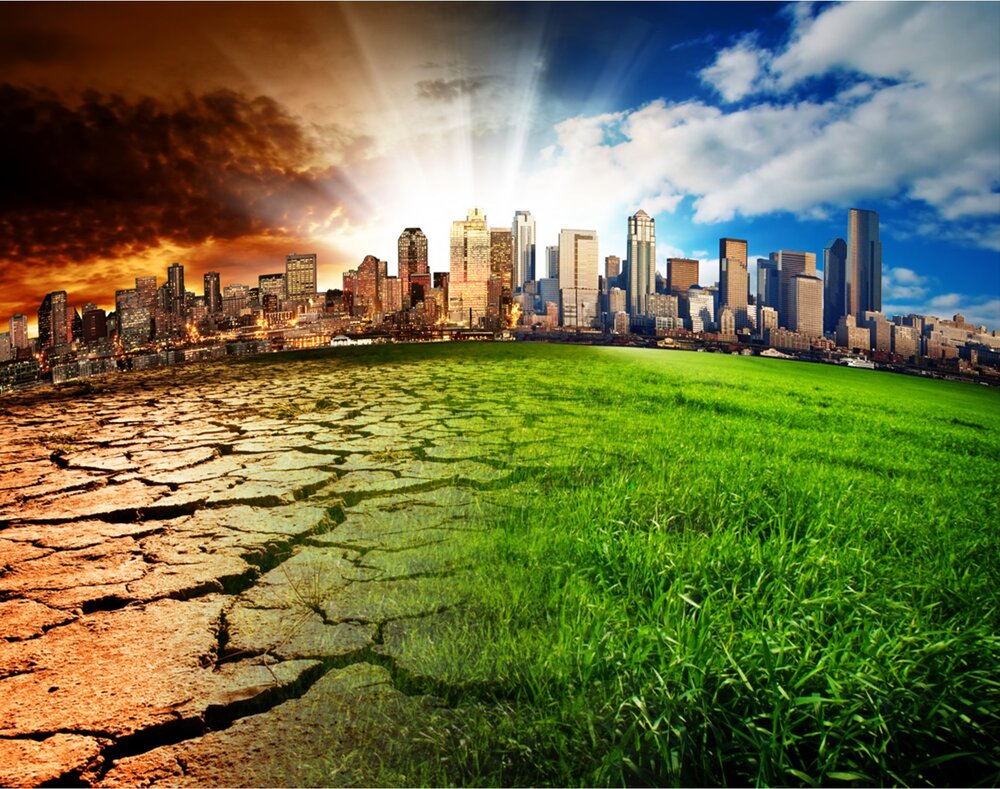
Climate change refers to significant changes in global temperatures and weather patterns over time. While climate change is a natural phenomenon, scientific evidence shows that human activities have accelerated its pace, leading to adverse environmental and socio-economic impacts. Understanding its causes, effects, and potential solutions is crucial for mitigating its impact and ensuring a sustainable future.

Causes of Climate Change

  1. Greenhouse Gas Emissions:
    • Carbon Dioxide (CO2): The burning of fossil fuels such as coal, oil, and natural gas for energy and transportation is the largest source of greenhouse gas emissions. Deforestation also contributes significantly by reducing the number of trees that can absorb CO2.
    • Methane (CH4): Emitted during the production and transport of coal, oil, and natural gas, as well as from livestock and other agricultural practices.
    • Nitrous Oxide (N2O): Released from agricultural and industrial activities, as well as from burning fossil fuels and solid waste.
    • Fluorinated Gases: Industrial processes and the use of certain products release powerful greenhouse gases, including hydrofluorocarbons (HFCs), perfluorocarbons (PFCs), and sulfur hexafluoride (SF6).
  2. Land Use Changes:
    • Deforestation: The clearing of forests for agriculture, logging, and urban development reduces the planet’s capacity to absorb CO2.
    • Urbanization: Expanding cities increase surface temperatures through the urban heat island effect and contribute to higher energy consumption.
  3. Industrial Processes:
    • Manufacturing processes release pollutants and greenhouse gases, exacerbating climate change.

Effects of Climate Change

  1. Rising Temperatures:
    • Global temperatures have risen, leading to more frequent and severe heatwaves.
    • Increased temperatures affect ecosystems, species distribution, and human health.
  2. Melting Ice and Rising Sea Levels:
    • The polar ice caps and glaciers are melting, contributing to sea-level rise.
    • Coastal areas and islands face increased flooding and erosion, threatening habitats and human settlements.
  3. Extreme Weather Events:
    • Climate change intensifies the frequency and severity of extreme weather events, such as hurricanes, droughts, and heavy rainfall.
    • These events cause significant damage to infrastructure, agriculture, and ecosystems.
  4. Ocean Acidification:
    • Increased CO2 levels lead to higher ocean acidity, affecting marine life, particularly coral reefs and shellfish.
  5. Biodiversity Loss:
    • Changing climates disrupt habitats, leading to shifts in species distribution and increased extinction rates.

Solutions to Climate Change

  1. Transition to Renewable Energy:
    • Solar and Wind Power: Investing in solar and wind energy reduces reliance on fossil fuels.
    • Hydropower and Geothermal: Utilizing hydropower and geothermal energy as sustainable alternatives.
  2. Energy Efficiency and Conservation:
    • Implementing energy-efficient technologies and practices in homes, industries, and transportation can significantly reduce emissions.
    • Promoting public transportation, carpooling, and the use of electric vehicles.
  3. Afforestation and Reforestation:
    • Planting trees and restoring forests enhance carbon sequestration.
    • Protecting existing forests through sustainable land management practices.
  4. Sustainable Agriculture:
    • Adopting practices such as crop rotation, organic farming, and reduced use of chemical fertilizers can lower emissions.
    • Promoting plant-based diets to reduce the demand for livestock production.
  5. Policy and Legislation:
    • Governments play a crucial role in mitigating climate change through policies and regulations.
    • International agreements such as the Paris Agreement aim to limit global temperature rise by reducing greenhouse gas emissions.
  6. Public Awareness and Education:
    • Raising awareness about the impacts of climate change and encouraging sustainable lifestyle choices.
    • Education programs to inform the public about climate change mitigation and adaptation strategies.