Shaping the Earth’s Climate: Ocean Currents

zoharmusic.com – Ocean currents are powerful and dynamic forces that play a crucial role in shaping the Earth’s climate. These currents, driven by a combination of temperature, salinity, and wind, influence weather patterns, marine ecosystems, and even human societies. Understanding the complex interplay between ocean currents and climate is essential for predicting future climate changes and mitigating their impacts.

The Role of Ocean Currents in Climate Regulation

Ocean currents act as conveyor belts, transporting warm water from the equator towards the poles and cold water from the poles back to the equator. This heat exchange moderates global temperatures, making some regions warmer and others cooler than they would otherwise be. For instance, the Gulf Stream, a warm current in the North Atlantic, keeps Western Europe much warmer than other regions at the same latitude.

Impact on Weather Patterns

Ocean currents also influence weather patterns by affecting atmospheric conditions. The heat and moisture they carry can lead to the formation of storms and hurricanes, particularly in tropical regions. Conversely, cold currents can stabilize the atmosphere, leading to drier and more temperate climates.

Influence on Marine Ecosystems

The movement of ocean currents is vital for marine ecosystems. They transport nutrients, plankton, and larvae across vast distances, supporting diverse marine life. Upwelling currents, for example, bring nutrient-rich water to the surface, fueling the growth of phytoplankton and sustaining entire food chains.

Human Societies and Ocean Currents

Throughout history, ocean currents have shaped human societies by influencing migration patterns, trade routes, and even the development of civilizations. The Kuroshio Current, for example, has played a significant role in Japan’s maritime culture and economy.

The Threat of Climate Change

Climate change poses a significant threat to the stability of ocean currents. Rising temperatures and melting ice caps can alter the salinity and temperature gradients that drive these currents. The potential slowdown or disruption of currents like the Atlantic Meridional Overturning Circulation (AMOC) could have profound effects on global climate patterns, leading to more extreme weather events and sea-level rise.

Conclusion

Ocean currents are integral to the Earth’s climate system, influencing weather, ecosystems, and human societies. As we face the challenges of climate change, understanding and protecting these currents is more important than ever. By doing so, we can work towards a sustainable future where the delicate balance of our planet’s climate is preserved for generations to come.
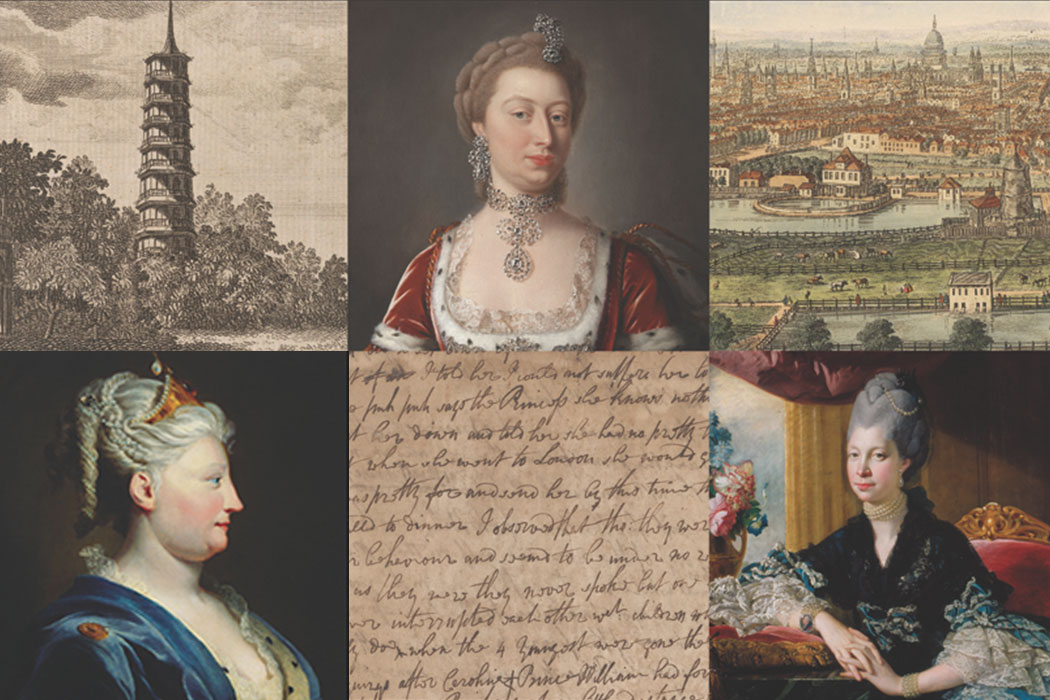
Princesses in Politics: Shaping Nations from the Throne

zoharmusic.com – Throughout history, princesses have not only been revered for their grace, beauty, and royal lineage but have also played pivotal roles in shaping the political landscapes of their nations. Far from mere figureheads, these women have wielded influence, led reforms, and in some cases, directly ruled their countries, leaving indelible marks on the course of history. This article delves into the multifaceted roles princesses have played in politics, highlighting their contributions to governance, diplomacy, and societal change.

The Diplomatic Prowess of Princesses

One of the most traditional roles of princesses in politics has been as diplomats. Through strategic marriages, princesses have forged alliances, solidified peace treaties, and opened channels of communication between nations. The marriage of Princess Elizabeth of York to King James IV of Scotland in 1503, for instance, marked a significant shift in Anglo-Scottish relations, laying the groundwork for a century of relative peace. Similarly, the marriage of Archduchess Maria Antonia of Austria to the future King Louis XVI of France in 1770, better known as Marie Antoinette, was intended to seal an alliance between Austria and France, although her story took a more tragic turn with the French Revolution.

Princesses as Rulers and Regents

Beyond diplomacy, princesses have also stepped into the forefront of governance, ruling countries either as monarchs in their own right or as regents for their husbands, sons, or other male relatives. Queen Elizabeth I of England, though not a princess in the traditional sense by the time of her reign, ascended the throne after her sister Mary I and ruled England and Ireland from 1558 until her death in 1603, presiding over a period of stability and prosperity known as the Elizabethan era.

Princess Wilhelmina of the Netherlands served as Queen regent from 1890 to 1898 during her minority and later as Queen from 1898 to 1948. Her leadership during World War II, when she led the Dutch government in exile, is particularly noteworthy. Her radio broadcasts to the Dutch people boosted morale and solidified her legacy as a symbol of resistance against Nazi occupation.

Advocates for Social Change

In more recent times, princesses have used their platforms to advocate for social and environmental causes, leveraging their visibility and influence to bring about change. Princess Diana of Wales, for example, was a vocal advocate for the ban of landmines and worked tirelessly to raise awareness about HIV/AIDS, often defying royal protocol to directly engage with those affected by these issues. Her work has had a lasting impact on global perceptions of these diseases and has inspired other royals to take up causes close to their hearts.

Crown Princess Victoria of Sweden is another example, known for her advocacy for LGBTQ+ rights and environmental sustainability. Her efforts have not only raised awareness within Sweden but have also put her on the global stage as a leader in these fields.

Conclusion

Princesses in politics have transcended their roles as mere members of royal families to become influential figures in the shaping of nations. From forging diplomatic alliances and ruling countries to advocating for social change, their contributions have been diverse and impactful. As the world continues to evolve, the role of princesses in politics is likely to evolve as well, with new generations of royals bringing fresh perspectives and priorities to the fore. Their legacy, however, remains a testament to the power of influence, leadership, and compassion in shaping the course of history.