Shaping the Earth’s Climate: Ocean Currents

zoharmusic.com – Ocean currents are powerful and dynamic forces that play a crucial role in shaping the Earth’s climate. These currents, driven by a combination of temperature, salinity, and wind, influence weather patterns, marine ecosystems, and even human societies. Understanding the complex interplay between ocean currents and climate is essential for predicting future climate changes and mitigating their impacts.

The Role of Ocean Currents in Climate Regulation

Ocean currents act as conveyor belts, transporting warm water from the equator towards the poles and cold water from the poles back to the equator. This heat exchange moderates global temperatures, making some regions warmer and others cooler than they would otherwise be. For instance, the Gulf Stream, a warm current in the North Atlantic, keeps Western Europe much warmer than other regions at the same latitude.

Impact on Weather Patterns

Ocean currents also influence weather patterns by affecting atmospheric conditions. The heat and moisture they carry can lead to the formation of storms and hurricanes, particularly in tropical regions. Conversely, cold currents can stabilize the atmosphere, leading to drier and more temperate climates.

Influence on Marine Ecosystems

The movement of ocean currents is vital for marine ecosystems. They transport nutrients, plankton, and larvae across vast distances, supporting diverse marine life. Upwelling currents, for example, bring nutrient-rich water to the surface, fueling the growth of phytoplankton and sustaining entire food chains.

Human Societies and Ocean Currents

Throughout history, ocean currents have shaped human societies by influencing migration patterns, trade routes, and even the development of civilizations. The Kuroshio Current, for example, has played a significant role in Japan’s maritime culture and economy.

The Threat of Climate Change

Climate change poses a significant threat to the stability of ocean currents. Rising temperatures and melting ice caps can alter the salinity and temperature gradients that drive these currents. The potential slowdown or disruption of currents like the Atlantic Meridional Overturning Circulation (AMOC) could have profound effects on global climate patterns, leading to more extreme weather events and sea-level rise.

Conclusion

Ocean currents are integral to the Earth’s climate system, influencing weather, ecosystems, and human societies. As we face the challenges of climate change, understanding and protecting these currents is more important than ever. By doing so, we can work towards a sustainable future where the delicate balance of our planet’s climate is preserved for generations to come.
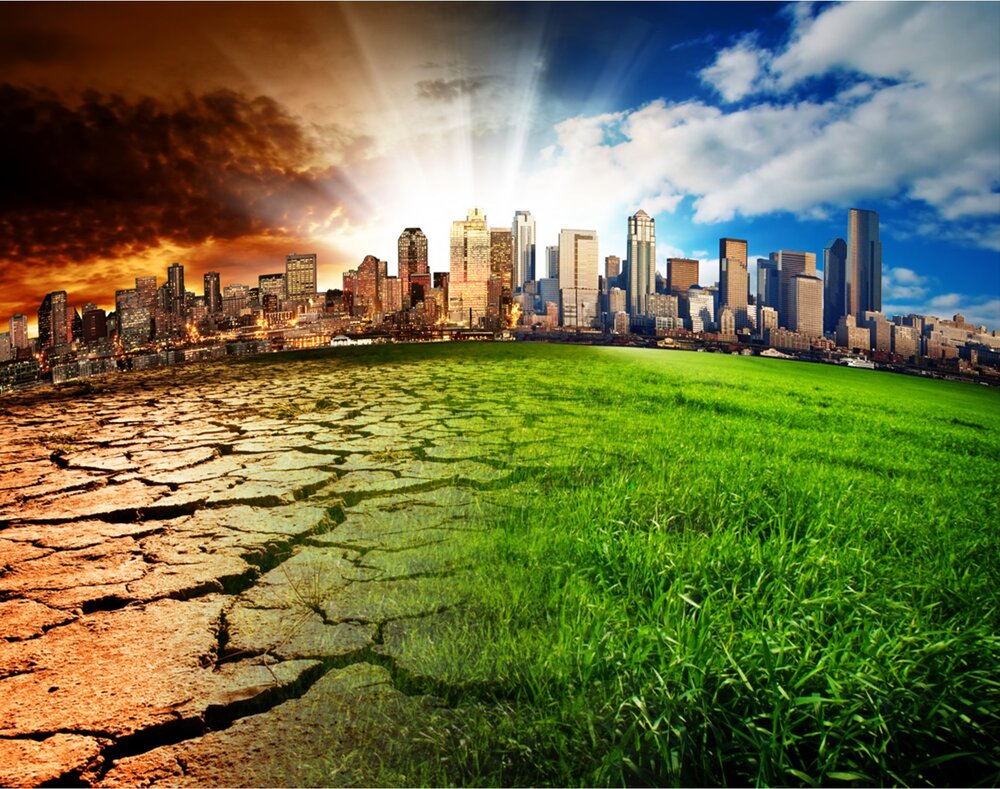
Climate Change: Causes, Impacts, and Solutions

Climate change refers to significant changes in global temperatures and weather patterns over time. While climate change is a natural phenomenon, scientific evidence shows that human activities have accelerated its pace, leading to adverse environmental and socio-economic impacts. Understanding its causes, effects, and potential solutions is crucial for mitigating its impact and ensuring a sustainable future.

Causes of Climate Change

  1. Greenhouse Gas Emissions:
    • Carbon Dioxide (CO2): The burning of fossil fuels such as coal, oil, and natural gas for energy and transportation is the largest source of greenhouse gas emissions. Deforestation also contributes significantly by reducing the number of trees that can absorb CO2.
    • Methane (CH4): Emitted during the production and transport of coal, oil, and natural gas, as well as from livestock and other agricultural practices.
    • Nitrous Oxide (N2O): Released from agricultural and industrial activities, as well as from burning fossil fuels and solid waste.
    • Fluorinated Gases: Industrial processes and the use of certain products release powerful greenhouse gases, including hydrofluorocarbons (HFCs), perfluorocarbons (PFCs), and sulfur hexafluoride (SF6).
  2. Land Use Changes:
    • Deforestation: The clearing of forests for agriculture, logging, and urban development reduces the planet’s capacity to absorb CO2.
    • Urbanization: Expanding cities increase surface temperatures through the urban heat island effect and contribute to higher energy consumption.
  3. Industrial Processes:
    • Manufacturing processes release pollutants and greenhouse gases, exacerbating climate change.

Effects of Climate Change

  1. Rising Temperatures:
    • Global temperatures have risen, leading to more frequent and severe heatwaves.
    • Increased temperatures affect ecosystems, species distribution, and human health.
  2. Melting Ice and Rising Sea Levels:
    • The polar ice caps and glaciers are melting, contributing to sea-level rise.
    • Coastal areas and islands face increased flooding and erosion, threatening habitats and human settlements.
  3. Extreme Weather Events:
    • Climate change intensifies the frequency and severity of extreme weather events, such as hurricanes, droughts, and heavy rainfall.
    • These events cause significant damage to infrastructure, agriculture, and ecosystems.
  4. Ocean Acidification:
    • Increased CO2 levels lead to higher ocean acidity, affecting marine life, particularly coral reefs and shellfish.
  5. Biodiversity Loss:
    • Changing climates disrupt habitats, leading to shifts in species distribution and increased extinction rates.

Solutions to Climate Change

  1. Transition to Renewable Energy:
    • Solar and Wind Power: Investing in solar and wind energy reduces reliance on fossil fuels.
    • Hydropower and Geothermal: Utilizing hydropower and geothermal energy as sustainable alternatives.
  2. Energy Efficiency and Conservation:
    • Implementing energy-efficient technologies and practices in homes, industries, and transportation can significantly reduce emissions.
    • Promoting public transportation, carpooling, and the use of electric vehicles.
  3. Afforestation and Reforestation:
    • Planting trees and restoring forests enhance carbon sequestration.
    • Protecting existing forests through sustainable land management practices.
  4. Sustainable Agriculture:
    • Adopting practices such as crop rotation, organic farming, and reduced use of chemical fertilizers can lower emissions.
    • Promoting plant-based diets to reduce the demand for livestock production.
  5. Policy and Legislation:
    • Governments play a crucial role in mitigating climate change through policies and regulations.
    • International agreements such as the Paris Agreement aim to limit global temperature rise by reducing greenhouse gas emissions.
  6. Public Awareness and Education:
    • Raising awareness about the impacts of climate change and encouraging sustainable lifestyle choices.
    • Education programs to inform the public about climate change mitigation and adaptation strategies.