
Trends and Predictions: The Future of Gangs

zoharmusic.com – As we look towards the future, understanding the evolving landscape of street gangs is crucial for policymakers, law enforcement, and communities. This article explores the current trends and predictions regarding the future of gangs, drawing insights from historical studies and contemporary analyses.

Historical Context

The study of street gangs has a rich history, with early insights provided by Frederic Thrasher in his seminal work, “The Gang, A Study of 1,313 Gangs in Chicago,” published in 1927. This study laid the groundwork for understanding the dynamics and challenges associated with street gangs, highlighting the complex interplay of social, economic, and environmental factors that contribute to gang formation and activity.

Current Trends

Demographic Shifts

One of the significant trends observed in recent years is the demographic shift within gang membership. Historically, gangs were predominantly composed of individuals from specific racial or ethnic backgrounds. However, contemporary gangs are increasingly diverse, reflecting broader societal changes. This shift has implications for gang dynamics and the strategies used to combat gang activity.

Technological Influence

The advent of technology has profoundly impacted gang operations. Social media platforms and encrypted communication tools have become essential tools for gang members to organize, communicate, and conduct business. This digital transformation poses new challenges for law enforcement, requiring innovative approaches to surveillance and intelligence gathering.

Economic Factors

Economic conditions continue to play a critical role in gang activity. Areas of high unemployment and poverty are often breeding grounds for gang recruitment. As economic disparities widen, the allure of gang life as a means of survival or status enhancement may increase.

Future Predictions

Increased Specialization

Looking ahead, it is likely that gangs will become increasingly specialized. This could manifest in various forms, such as gangs focusing on specific criminal activities (e.g., drug trafficking, cybercrime) or targeting specific demographics. Specialization could lead to more sophisticated criminal operations and greater challenges for law enforcement.

Enhanced Technological Use

The integration of technology is expected to continue, with gangs leveraging advanced tools for everything from recruitment to money laundering. This trend will necessitate ongoing advancements in cybersecurity and digital forensics to combat gang activities effectively.

Community Engagement

A promising trend is the growing emphasis on community-based interventions to address the root causes of gang activity. Programs that focus on education, employment, and social inclusion are showing promise in reducing gang involvement and improving community safety. As these approaches gain traction, they could play a crucial role in shaping the future of gang prevention and intervention.

Conclusion

The future of gangs is complex and multifaceted, influenced by historical precedents, current trends, and emerging technologies. By understanding these dynamics, policymakers and community leaders can develop more effective strategies to mitigate gang activity and promote safer, more inclusive communities. The key to success lies in a holistic approach that addresses both the immediate challenges and the underlying social and economic factors that contribute to gang formation.
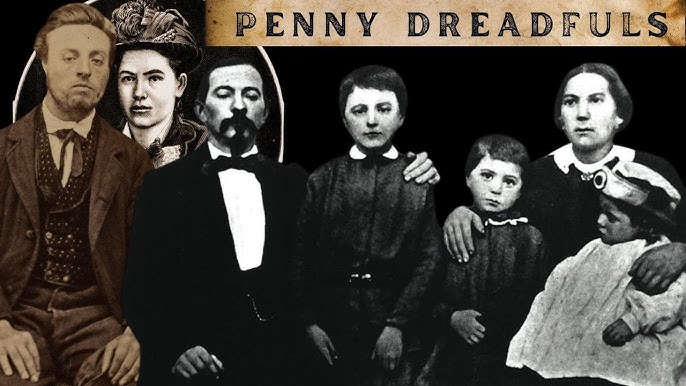
The Penny Dreadfuls: The Birth of the Detective Genre

zoharmusic.com – In the shadowy alleys and gas-lit streets of Victorian England, a literary revolution was brewing, one that would not only captivate the masses but also lay the groundwork for one of the most enduring and popular genres in literature: the detective story. This transformation was spearheaded by a genre of cheap, sensational fiction known as the “penny dreadfuls,” so named because they were sold for a penny and often featured tales of horror, crime, and adventure that were considered dreadful by the moral standards of the time.

The Rise of the Penny Dreadfuls

The penny dreadfuls emerged in the early 19th century, a period marked by rapid industrialization, urbanization, and a burgeoning literacy rate among the working classes. These stories were serialized in cheaply produced magazines and papers, making them accessible to a wide audience. They were the fast food of their literary era, offering quick, thrilling escapes from the drudgery of daily life.

The content of these stories was as varied as their titles, ranging from tales of pirates and highwaymen to Gothic horrors and, most notably, stories of crime and detection. These narratives tapped into the public’s fascination with the darker aspects of urban life, a world where crime was on the rise and the boundaries between right and wrong seemed increasingly blurred.

The Birth of the Detective Genre

It was within the pages of these penny dreadfuls that the detective genre found its earliest footing. These stories introduced readers to a new kind of hero: the detective. Unlike the heroes of traditional literature, who were often driven by noble quests or romantic pursuits, the detective was motivated by a desire to solve mysteries and bring criminals to justice.

One of the most significant contributions of the penny dreadfuls to the detective genre was the introduction of recurring detective characters. These characters, such as the eponymous hero of “The Exploits of Brigadier Gerard” by Arthur Conan Doyle (before Sherlock Holmes), became beloved by readers for their cleverness, bravery, and unyielding dedication to the pursuit of truth.

Sensational Crime and Social Commentary

The penny dreadfuls were not merely escapist fare; they also served as a mirror to the society of the time, reflecting the fears, anxieties, and moral dilemmas of the Victorian era. Many of these stories used the backdrop of crime and detection to comment on issues such as class inequality, the corruption of the legal system, and the dangers of urban life.

By placing their detective heroes in the midst of these social issues, the authors of penny dreadfuls invited readers to consider the causes of crime and the responsibilities of society in addressing these problems. In this way, the detective genre was imbued with a sense of social relevance and moral purpose from its inception.

Legacy and Influence

The influence of the penny dreadfuls on the development of the detective genre cannot be overstated. They provided a fertile ground for experimentation with narrative techniques, character development, and thematic exploration that would later be refined and expanded upon by writers such as Arthur Conan Doyle, Agatha Christie, and many others.

Moreover, the popularity of these stories helped to establish the detective genre as a mainstream form of entertainment, paving the way for the countless novels, short stories, films, and television shows that have followed in their wake.

In conclusion, the penny dreadfuls were more than just sensational tales of crime and adventure; they were the crucible in which the detective genre was forged. Through their exploration of the darker aspects of human nature and society, they laid the groundwork for a genre that continues to captivate and inspire audiences around the world.