Beda Novel Spaceman of Bohemia vs Film Netflix

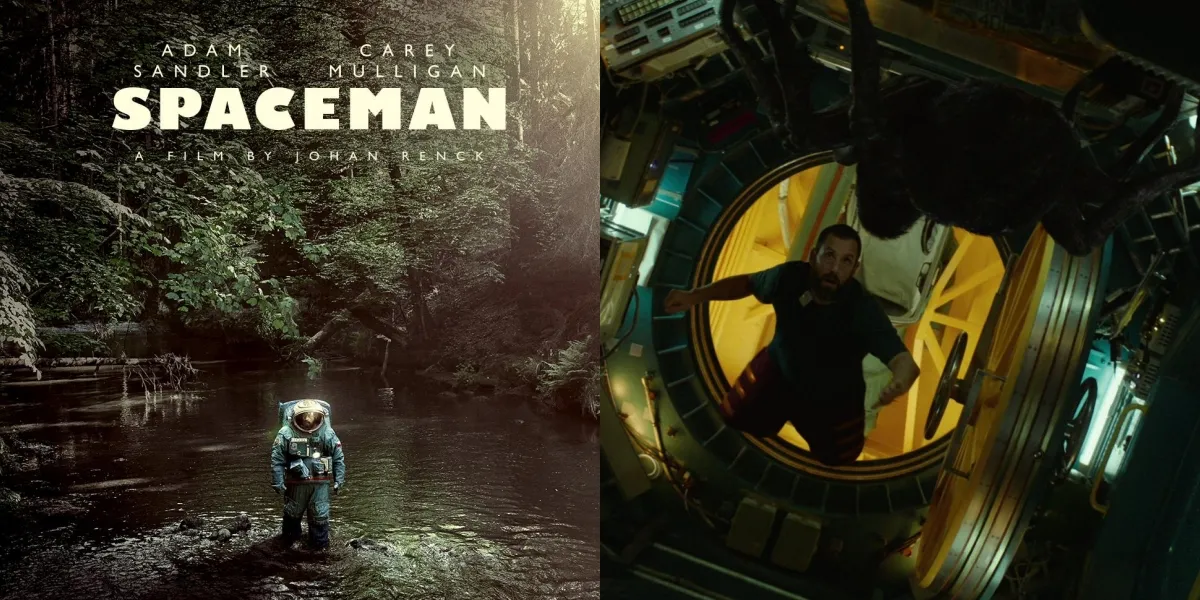
zoharmusic.com – Adam Sandler berhasil mencuri perhatian banyak penonton lewat film Spaceman (2024) di Netflix. Meskipun demikian, adaptasi ini memiliki nuansa yang sangat berbeda bagi mereka yang sudah membaca novel aslinya, Spaceman of Bohemia (2017).

Sutradara Johan Renck mengambil langkah berani dengan mengubah alur cerita secara signifikan. Ia mengubah satir politik yang tajam menjadi drama romansa yang melankolis. Berikutnya, kita akan membahas 5 beda novel Spaceman of Bohemia vs film Netflix yang paling mencolok agar Anda memahami perubahannya.

1. Sutradara Menghapus Karakter “The Shoe Man”

Pertama-tama, perbedaan terbesar terletak pada hilangnya karakter antagonis utama. Penulis novel, Jaroslav Kalfař, menghadirkan sosok “The Shoe Man” atau Pria Sepatu. Karakter ini menyiksa ayah Jakub di masa lalu dan kemudian meneror Jakub muda sebagai bentuk balas dendam.

Akan tetapi, versi film mengambil jalan lain. Tim produksi menghapus karakter ini sepenuhnya dari naskah. Oleh sebab itu, film ini lebih fokus menyoroti konflik batin Jakub dan rasa bersalahnya, daripada menampilkan ancaman fisik dari musuh masa lalu.

2. Status Kehamilan Lenka

Selain itu, penulis naskah juga mengubah dinamika hubungan Jakub dan Lenka (Carey Mulligan). Perubahan ini bertujuan menambah bobot emosional cerita.

Dalam novel, Lenka tidak sedang hamil saat Jakub pergi ke luar angkasa. Ia meninggalkan Jakub murni karena suaminya itu terlalu mementingkan ambisi pribadi. Sebaliknya, film menampilkan Lenka yang sedang hamil tua dan harus berjuang sendirian. Akibatnya, tindakan Jakub meninggalkan istrinya terasa jauh lebih egois dan tragis dalam versi film.

3. Perubahan Nada: Dari Satir ke Drama

Selanjutnya, mari bicara soal nada cerita. Jika Anda merasa filmnya terlalu serius, Anda pasti akan terkejut saat membaca bukunya. Novel asli menawarkan banyak humor gelap, absurditas, dan sindiran tajam terhadap politik Ceko.

Namun, film ini justru membuang elemen komedi tersebut hampir seluruhnya. Johan Renck lebih memilih pendekatan drama yang sunyi dan meditatif. Dengan demikian, beda novel Spaceman of Bohemia vs film Netflix ini menciptakan pengalaman menonton yang sangat kontras dengan pengalaman membaca bukunya.

4. Mengganti Rival Luar Angkasa

Kemudian, isu geopolitik dalam cerita juga mengalami pergeseran. Pada versi buku, Jakub harus bersaing ketat dengan kosmonaut dari Rusia. Hal ini tentu berkaitan erat dengan sejarah negara Ceko yang pernah berada di bawah bayang-bayang Uni Soviet.

Di sisi lain, film mengganti rival tersebut menjadi astronaut dari Korea Selatan. Perubahan ini menghilangkan ketegangan sejarah yang ada di buku. Film ini lebih memilih untuk menampilkan kompetisi teknologi murni tanpa melibatkan dendam politik masa lalu.

5. Ending yang Bertolak Belakang

Terakhir, bagian penutup cerita mengambil arah yang sangat berbeda. Novel mengakhiri kisah ini dengan nada yang lebih realistis dan pahit. Jakub selamat kembali ke Bumi, tetapi ia harus hidup sendiri karena Lenka menolak untuk kembali padanya.

Sementara itu, film memberikan harapan baru bagi penonton. Johan Renck menyisipkan adegan yang mengisyaratkan bahwa Lenka bersedia memberi kesempatan kedua. Jadi, versi film menawarkan sebuah rekonsiliasi cinta, bukan perpisahan abadi.

Kesimpulan

Kesimpulannya, memahami beda novel Spaceman of Bohemia vs film Netflix membantu kita mengapresiasi kedua karya tersebut secara terpisah. Novel menyajikan sindiran politik yang cerdas, sedangkan film menonjolkan puisi visual tentang kesepian dan penebusan dosa. Keduanya tetap memiliki kekuatan masing-masing dalam menceritakan kisah hidup Jakub Procházka.
The 2000s Movie Phenomenon: Blockbusters and Franchises

zoharmusic.com – The 2000s marked a significant era in the film industry, characterized by the rise of blockbuster movies and the dominance of franchise films. This period saw a shift in how movies were conceived, produced, and marketed, with studios increasingly focusing on high-budget, visually spectacular films designed to capture the imagination of global audiences. This trend was not merely a continuation of the blockbuster era that began in the late 20th century but a transformation that reshaped the landscape of cinema.

The Rise of the Blockbuster

The term “blockbuster” traditionally referred to a film that was expected to become extremely popular or successful due to its high production values, star power, and marketing campaigns. In the 2000s, this concept evolved. Films like “The Lord of the Rings” trilogy, “Harry Potter” series, and “Pirates of the Caribbean” franchise redefined what it meant to be a blockbuster. These movies were not just successful; they were cultural phenomena, generating billions of dollars in revenue and creating dedicated fan bases worldwide.

The success of these films can be attributed to several factors. First, advancements in CGI and special effects technology allowed filmmakers to bring to life stories and worlds that were previously impossible to realize on screen. Second, the strategic use of multimedia marketing, including trailers, merchandise, and tie-ins with video games and theme parks, ensured that these films were omnipresent in the public consciousness. Lastly, the globalization of the film industry meant that these movies could reach and captivate audiences across the globe, further contributing to their massive box office hauls.

The Franchise Phenomenon

Closely related to the rise of the blockbuster was the emergence of the franchise as a dominant force in the film industry. Franchises, or series of films set in a shared universe or featuring recurring characters, became the preferred model for studios looking to maximize profits and minimize risks. The 2000s saw the launch and continuation of several franchises that would go on to define the decade and beyond, including “The Fast and the Furious,” “Transformers,” and “X-Men.”

Franchises offered studios several advantages. They provided a built-in audience for sequels, reducing the uncertainty associated with new properties. They also allowed for the creation of extensive merchandise lines, further increasing revenue streams. Moreover, franchises could be expanded into other media, such as television shows, video games, and theme park attractions, creating a comprehensive entertainment experience that could engage fans in multiple ways.

Impact on the Film Industry

The blockbuster and franchise phenomenon of the 2000s had a profound impact on the film industry. On one hand, it led to the creation of some of the most memorable and beloved films of the decade, contributing to the cultural zeitgeist and providing employment for thousands in the industry. On the other hand, it also led to a homogenization of content, with studios increasingly favoring safe, formulaic films over riskier, more original projects.

This trend also affected the distribution of resources within the industry, with a significant portion of marketing and production budgets allocated to a small number of high-profile films. This left less room for mid-budget films, which struggled to find both financing and audiences in a market dominated by blockbusters and franchises.

Conclusion

The 2000s blockbuster and franchise phenomenon was a defining moment in the history of cinema, reshaping how movies were made, marketed, and consumed. While it led to the creation of some of the most successful and influential films of the decade, it also raised concerns about the diversity and originality of content in the film industry. As we move further into the 21st century, the legacy of this era continues to influence the direction of cinema, for better or worse.