
Upanishad dan Pencarian Jiwa: Filosofi Hindu yang Menginspirasi Generasi Baru

zoharmusic.com – Upanishad, sebagai bagian integral dari Veda, merupakan teks-teks kuno dalam agama Hindu yang mendalami aspek metafisika dan spiritual kehidupan. Ajaran-ajaran yang terkandung dalam Upanishad mengajarkan pencarian jiwa dan pemahaman akan hakikat diri sejati (Atman), serta hubungan antara Atman dengan Tuhan yang transendental, atau Brahman. Salah satu ajaran inti dari Upanishad adalah bahwa Atman dan Brahman pada dasarnya adalah satu dan tidak terpisahkan, yang berarti bahwa setiap individu memiliki kesadaran ilahi yang sama dengan Tuhan. Konsep ini mengajarkan bahwa pencarian jiwa sejati adalah perjalanan untuk menyadari kesatuan diri dengan alam semesta, suatu pencapaian yang membawa pencerahan dan pembebasan (moksha). Filosofi ini memberi harapan bahwa kebahagiaan sejati dan kedamaian batin datang dari dalam diri, bukan dari dunia luar.

Bagi generasi baru yang sering kali menghadapi tekanan dan kebingungan dalam dunia yang cepat berubah, ajaran Upanishad menawarkan panduan spiritual yang sangat relevan. Konsep meditasi dan kontemplasi dalam Upanishad mengajarkan pentingnya kedamaian batin dan pengendalian pikiran untuk menemukan kedalaman jiwa. Dalam Upanishad, terdapat ajaran tentang pentingnya jnana (pengetahuan) yang diperoleh bukan melalui akal semata, tetapi melalui pengalaman langsung dan pemahaman intuitif terhadap hakikat kehidupan. Generasi muda yang sering kali dibanjiri informasi dan distraksi dari dunia modern dapat menemukan ketenangan dan kebijaksanaan melalui praktik-praktik yang diajarkan dalam Upanishad, seperti meditasi, yoga, dan refleksi diri.

Upanishad juga menginspirasi pencarian makna hidup yang lebih dalam, mengajarkan bahwa kehidupan bukan hanya tentang pencapaian materi atau kesenangan duniawi, tetapi tentang menemukan kebenaran yang lebih tinggi dan memperdalam hubungan dengan diri sendiri serta dunia sekitar. Ajaran tentang detachment (ketidakterikatan) dalam Upanishad mengajak individu untuk melepaskan keterikatan pada hal-hal yang bersifat sementara, seperti harta benda, status, dan ambisi pribadi, demi mencapai kedamaian abadi yang berasal dari pengetahuan spiritual yang lebih tinggi. Filosofi ini menawarkan alternatif bagi generasi baru yang mencari makna lebih dalam di tengah kehidupan yang materialistik, dan mendorong mereka untuk mengejar kebijaksanaan, bukan hanya kesuksesan duniawi. Dalam konteks dunia yang semakin terhubung dan kompleks, ajaran Upanishad tetap relevan sebagai pemandu dalam pencarian jiwa, menginspirasi untuk menemukan kedamaian dalam diri dan memperdalam pemahaman spiritual tentang eksistensi manusia.
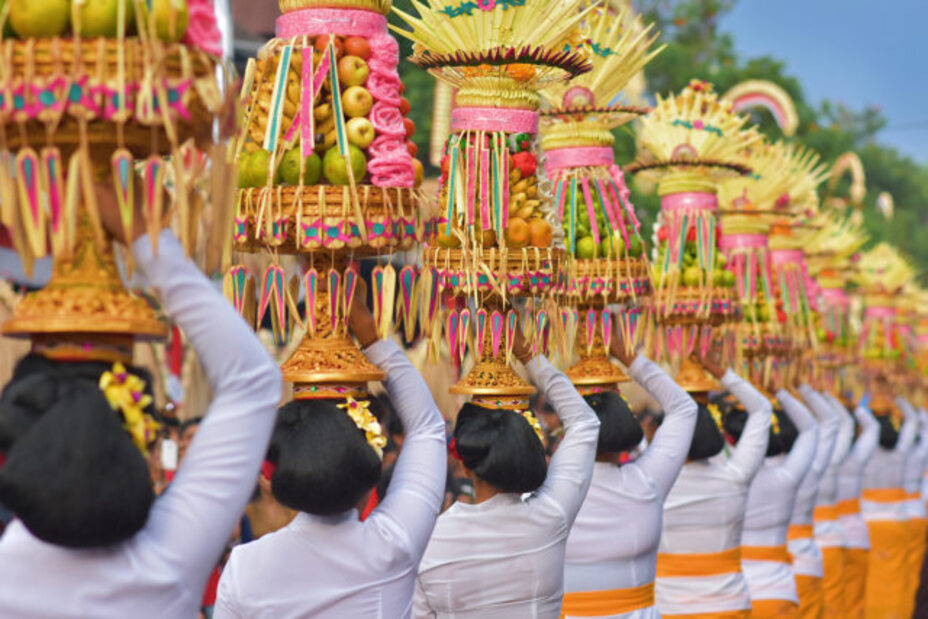

Agama Hindu dan Kesetaraan: Perspektif Tradisional tentang Gender dan Peran Sosial

zoharmusic.com – Dalam tradisi Hindu, konsep kesetaraan gender dan peran sosial sangat dipengaruhi oleh ajaran-ajaran yang tercatat dalam teks-teks suci seperti Veda, Upanishad, dan Bhagavad Gita, meskipun penerapannya dalam praktik sosial sering kali bervariasi. Secara historis, peran gender dalam masyarakat Hindu tradisional lebih terstruktur, dengan pembagian tugas yang jelas antara pria dan wanita. Pria umumnya dianggap sebagai penyedia dan pelindung, sementara wanita lebih sering berperan sebagai ibu dan pengasuh keluarga. Namun, teks-teks Hindu juga mengandung ajaran yang mengakui pentingnya peran wanita dalam masyarakat dan spiritualitas. Dalam banyak mitologi Hindu, dewa-dewi seperti Durga, Lakshmi, dan Saraswati dipuja sebagai simbol kekuatan, kekayaan, dan kebijaksanaan, menandakan penghormatan terhadap aspek feminin dalam alam semesta.

Di sisi lain, ajaran Hindu juga mengajarkan bahwa setiap individu, terlepas dari gender, memiliki potensi untuk mencapai pencerahan dan pembebasan (moksha). Dalam Bhagavad Gita, misalnya, Tuhan mengajarkan bahwa pencapaian spiritual tidak tergantung pada jenis kelamin, status sosial, atau latar belakang, melainkan pada tindakan yang tulus dan pengabdian kepada Tuhan. Hal ini menunjukkan bahwa dalam perspektif filosofis Hindu, kesetaraan spiritual antara pria dan wanita diakui secara mendalam. Konsep dharma (kewajiban moral) dalam Hindu juga memberikan panduan tentang bagaimana setiap orang, tanpa memandang gender, memiliki peran tertentu yang harus dijalani dengan integritas dan rasa tanggung jawab.

Namun, meskipun ada pengajaran tentang kesetaraan spiritual, praktik sosial tradisional sering kali memandang peran wanita sebagai lebih terbatas, terutama dalam konteks pernikahan dan keluarga. Di banyak masyarakat Hindu, wanita sering kali diwajibkan untuk mengikuti aturan yang lebih ketat, termasuk kewajiban untuk mematuhi otoritas suami dan fokus pada tugas domestik. Namun, dalam beberapa dekade terakhir, ada perubahan yang signifikan. Pemikiran Hindu kontemporer semakin membuka ruang untuk kesetaraan gender yang lebih besar, dengan banyak pemuka agama dan masyarakat yang berupaya mengubah pandangan tradisional dan mengedepankan nilai-nilai kesetaraan dalam konteks sosial, ekonomi, dan spiritual. Banyak perempuan Hindu sekarang yang terlibat dalam kehidupan publik, menjalani karier, dan aktif dalam mempromosikan hak-hak perempuan dalam masyarakat. Kesetaraan gender dalam agama Hindu, meskipun belum sepenuhnya tercapai, terus berkembang seiring dengan upaya modernisasi dan pemahaman yang lebih luas tentang ajaran-ajaran spiritual Hindu yang mengutamakan penghormatan terhadap setiap individu tanpa memandang gender.

The Sayings of Prophet Muhammad: An Introduction to Hadith

zoharmusic.com – Hadith, in the context of Islamic tradition, refers to the sayings, actions, and tacit approvals of Prophet Muhammad (peace be upon him). These records are considered the second most important source of Islamic law and guidance, after the Quran. Hadiths provide insight into the life of the Prophet, his interactions with his companions, and his interpretations of the Quranic verses. They serve as a bridge between the divine revelations and the practical aspects of everyday life, offering guidance on a wide range of topics from personal hygiene to international relations.

The Importance of Hadith

The importance of Hadith cannot be overstated in the Islamic faith. They are the primary source for understanding the Sunnah, which is the way of life prescribed by the Prophet Muhammad. By studying Hadith, Muslims aim to emulate the Prophet’s behavior, moral qualities, and religious observances, thereby drawing closer to Allah. The Hadith literature also plays a crucial role in the development of Islamic jurisprudence (Fiqh), providing the basis for legal rulings and ethical guidelines.

The Collections of Hadith

Over the centuries, thousands of Hadiths have been collected and documented. However, not all of them are considered authentic. Scholars have dedicated their lives to verifying the authenticity of Hadiths, examining the chains of narrators (isnad) and the text (matn) of each Hadith. As a result, several collections of Hadith have emerged, with the most renowned being:

Sahih al-Bukhari

Compiled by Imam Bukhari, this collection is considered the most authentic. It contains over 7,000 Hadiths, each scrutinized for its authenticity. Sahih al-Bukhari is widely accepted as a reliable source of Hadith across the Muslim world.

Sahih Muslim

Imam Muslim’s collection is the second most authentic, containing over 9,000 Hadiths. Like Sahih al-Bukhari, Sahih Muslim is highly regarded for its rigorous methodology in selecting authentic Hadiths.

Sunan al-Sughra (Abu Dawud)

Imam Abu Dawud’s collection includes Hadiths that are considered less authentic than those in Sahih al-Bukhari and Sahih Muslim but are still valuable for understanding the Prophet’s teachings.

Jami’ al-Tirmidhi

Imam al-Tirmidhi’s collection is unique in that it includes a commentary by the compiler himself, indicating the level of authenticity of each Hadith.

Sunan Ibn Majah

This collection by Imam Ibn Majah is the last of the six canonical Hadith collections in Sunni Islam. It includes Hadiths that are considered less authentic but still valuable for understanding the Prophet’s traditions.

Al-Muwatta (Imam Malik)

Although not part of the six canonical collections, Al-Muwatta is one of the earliest collections of Hadith and is highly regarded in the Maliki school of Islamic jurisprudence.

The Study of Hadith

The study of Hadith is a complex and specialized field within Islamic scholarship. Scholars must not only have a deep understanding of Arabic but also be well-versed in the biographies of the narrators, the historical context of each Hadith, and the principles of Hadith criticism. The study of Hadith is essential for anyone seeking a comprehensive understanding of Islam and the life of Prophet Muhammad.

Conclusion

Hadiths are an invaluable asset to the Muslim community, offering guidance and wisdom that has stood the test of time. Through the collections of Hadith, Muslims continue to draw inspiration and direction from the life of Prophet Muhammad, striving to live by his example. As the world evolves, the timeless wisdom found in Hadith continues to provide a beacon of light for those seeking to live a life pleasing to Allah.

Celebrating the Seasons of the Church: The Liturgical Year

zoharmusic.com – The liturgical year, also known as the Christian year, is the cycle of seasons and festivals that Christians follow to commemorate the life, death, resurrection, and anticipated second coming of Jesus Christ. This annual cycle is marked by specific seasons, each with its own themes, colors, and traditions, providing a framework for worship and spiritual growth. The liturgical year is a journey that invites believers to engage deeply with the mysteries of the faith, reflecting on the history of salvation and the teachings of Christ.

The Cycle of the Liturgical Year

The liturgical year is divided into several seasons, each with its unique focus and liturgical colors that symbolize the season’s theme. The primary seasons include Advent, Christmas, Lent, Easter, and Ordinary Time. Each season prepares the faithful for significant events in the life of Christ and the history of salvation, encouraging reflection, repentance, celebration, and anticipation.

Advent: A Season of Anticipation

Advent marks the beginning of the liturgical year, a time of preparation and anticipation for the celebration of Christ’s birth. It is a season of waiting, hope, and expectation, symbolized by the liturgical color purple, which represents prayer, fasting, and penitence. During Advent, Christians reflect on the prophecies of the coming Messiah and prepare their hearts for the arrival of the Lord.

Christmas: Celebrating the Birth of Christ

Following Advent, the Christmas season celebrates the birth of Jesus Christ. This joyful season is marked by the liturgical color white or gold, symbolizing purity, joy, and the glory of the Lord. Christmas is a time of great celebration, with festive music, decorations, and gatherings, as believers rejoice in the incarnation of God.

Lent: A Season of Repentance and Renewal

Lent is a period of fasting, prayer, and almsgiving, leading up to Easter. It is a time for Christians to reflect on their sins, repent, and seek reconciliation with God. The liturgical color during Lent is purple, signifying mourning and repentance. The season culminates in Holy Week, which includes Maundy Thursday, commemorating the Last Supper, Good Friday, marking the crucifixion of Christ, and Holy Saturday, a day of reflection and anticipation.

Easter: The Triumph of the Resurrection

Easter is the pinnacle of the liturgical year, celebrating the resurrection of Jesus Christ. This season is characterized by the liturgical color white, symbolizing purity and joy. Easter is a time of great joy and celebration, as Christians proclaim the victory of Christ over death and affirm their faith in the promise of eternal life.

Ordinary Time: Growth and Discipleship

Ordinary Time, which occurs twice a year, is a period for growth in discipleship and understanding of the teachings of Christ. It is marked by the liturgical color green, symbolizing hope and growth. During Ordinary Time, Christians are encouraged to deepen their faith, practice virtue, and live out the Gospel in their daily lives.

The Significance of the Liturgical Year

The liturgical year provides a rhythm for Christian life, guiding believers through cycles of anticipation, celebration, repentance, and growth. It offers a framework for spiritual formation, encouraging believers to engage with the mysteries of the faith and the history of salvation. The liturgical year is not just a series of dates on a calendar but a journey of faith, inviting Christians to walk more closely with Christ and experience the fullness of life in Him.

Through the seasons of the liturgical year, the Church celebrates the life, death, resurrection, and anticipated second coming of Jesus Christ. It is a time for reflection, repentance, celebration, and anticipation, guiding believers in their spiritual journey. The liturgical year is a gift to the Church, a way to live out the Gospel in a structured and meaningful way, and a source of inspiration and renewal for all who participate.