
Daftar Film Jepang Terbaik untuk Daftar Tontonan Anda

www.zoharmusic.com – Industri film Jepang telah menghasilkan karya-karya luar biasa yang menginspirasi, menghibur, dan memberikan wawasan mendalam tentang budaya slot server Jepang pro. Dari animasi yang memukau hingga drama yang menggugah emosi, berikut adalah daftar film Jepang terbaik yang wajib Anda tonton:

1. Spirited Away (2001)

Disutradarai oleh Hayao Miyazaki, film animasi ini merupakan salah satu mahakarya Studio Ghibli. Kisah tentang Chihiro yang terjebak di dunia roh menawarkan perpaduan cerita fantasi, visual yang menakjubkan, dan pesan mendalam tentang keberanian dan tanggung jawab.

2. Your Name (2016)

Karya Makoto Shinkai ini adalah salah satu film anime terlaris sepanjang masa. Cerita tentang dua remaja yang saling bertukar tubuh melintasi ruang dan waktu membuat penonton terpukau dengan animasi yang indah dan cerita yang penuh emosi.

3. Rashomon (1950)

Film klasik Akira Kurosawa ini telah menjadi ikon perfilman dunia. Dengan alur cerita yang unik, film ini mengeksplorasi relativitas kebenaran melalui berbagai sudut pandang dalam sebuah kasus pembunuhan.

4. Battle Royale (2000)

Film ini mengisahkan sekelompok siswa yang dipaksa bertarung hingga mati di sebuah pulau terpencil. Menggabungkan elemen thriller dan kritik sosial, Battle Royale menjadi inspirasi banyak karya modern, termasuk serial The Hunger Games.

5. Shoplifters (2018)

Shoplifters | Rotten Tomatoes

Karya Hirokazu Kore-eda ini memenangkan Palme d’Or di Festival Film Cannes. Film ini menggambarkan kehidupan sebuah keluarga miskin yang bertahan hidup dengan mencuri, sambil mengeksplorasi tema cinta, moralitas, dan hubungan keluarga.

6. Seven Samurai (1954)

Karya epik lain dari Akira Kurosawa, Seven Samurai adalah cerita tentang tujuh samurai yang disewa untuk melindungi sebuah desa dari serangan perampok. Film ini dikenal sebagai salah satu film terbaik sepanjang masa dan menjadi inspirasi banyak adaptasi, termasuk The Magnificent Seven.

7. A Silent Voice (2016)

Film ini mengangkat isu-isu penting seperti perundungan, penebusan, dan penerimaan diri. Dengan animasi yang memukau dan alur cerita yang menyentuh hati, A Silent Voice menjadi favorit di kalangan penggemar anime.

8. Tokyo Story (1953)

Film arahan Yasujirō Ozu ini dianggap sebagai salah satu karya terbaik dalam sejarah sinema. Dengan gaya yang sederhana namun mendalam, Tokyo Story mengisahkan hubungan antara orang tua yang menua dan anak-anak mereka yang sibuk.

9. Weathering with You (2019)

Makoto Shinkai kembali memukau dunia dengan film ini. Kisah cinta antara seorang pemuda yang kabur ke Tokyo dan seorang gadis yang dapat mengontrol cuaca ini dipenuhi visual spektakuler dan musik yang memikat.

10. The Tale of the Princess Kaguya (2013)

Film yang disutradarai oleh Isao Takahata ini adalah adaptasi indah dari cerita rakyat Jepang, The Tale of the Bamboo Cutter. Dengan animasi bergaya lukisan tangan, film ini menyampaikan pesan tentang kehidupan dan pengorbanan.

Film-film di atas mencerminkan keragaman dan keindahan sinema Jepang. Baik Anda penggemar animasi, drama, maupun aksi, daftar ini akan memberikan pengalaman menonton yang tak terlupakan. Jadi, siapkan waktu Anda dan nikmati mahakarya perfilman Jepang!

A Journey Through the Darkness: The Long Night

zoharmusic.com – The Long Night, a term that has been used in various contexts throughout history and fiction, often refers to a period of extended darkness or a challenging phase that seems to stretch on indefinitely. Whether it’s a literal event, such as a polar night, or a metaphorical one, like a period of hardship, the concept of the Long Night evokes a sense of endurance and the eventual hope for dawn.

The Long Night in History

In historical terms, the Long Night can refer to specific events where darkness played a significant role. For example, during World War II, the term was used to describe the period of intense bombing raids on cities like London and Berlin, where nights seemed to stretch on with the constant threat of attack. These events tested the resilience of populations and became defining moments in the history of warfare.

The Long Night in Literature and Mythology

In literature and mythology, the Long Night often symbolizes a time of trial or a rite of passage. It can represent a character’s journey into the unknown, facing their fears, or undergoing a transformation. In Norse mythology, the Fimbulwinter is a period of three successive winters without an intervening summer, leading up to the events of Ragnarok, the end of the world. This period of unending night is a testament to the ancient fascination with the concept of darkness as a harbinger of change.

The Long Night in Science

Astronomically, the Long Night can refer to the polar night, a natural phenomenon occurring at the Earth’s poles where the sun remains below the horizon for an extended period. This can last from a few weeks to six months, depending on the location. The polar night is not only a challenge for the local wildlife and human inhabitants but also a unique opportunity for astronomical observations, as the absence of sunlight reduces light pollution.

The Long Night in Modern Contexts

In contemporary discussions, the Long Night might be used metaphorically to describe economic downturns, political crises, or personal struggles. It serves as a reminder that periods of difficulty are often followed by renewal and growth. The term encourages individuals and societies to persevere through tough times, knowing that a new dawn is on the horizon.

Conclusion

The Long Night, in its many forms, is a powerful concept that resonates across different cultures and disciplines. Whether it’s a literal period of darkness or a metaphorical representation of hardship, the idea of the Long Night speaks to the human experience of facing and overcoming challenges. As we navigate our own long nights, we can take solace in the knowledge that every night is followed by a new day, bringing with it the promise of light and renewal.

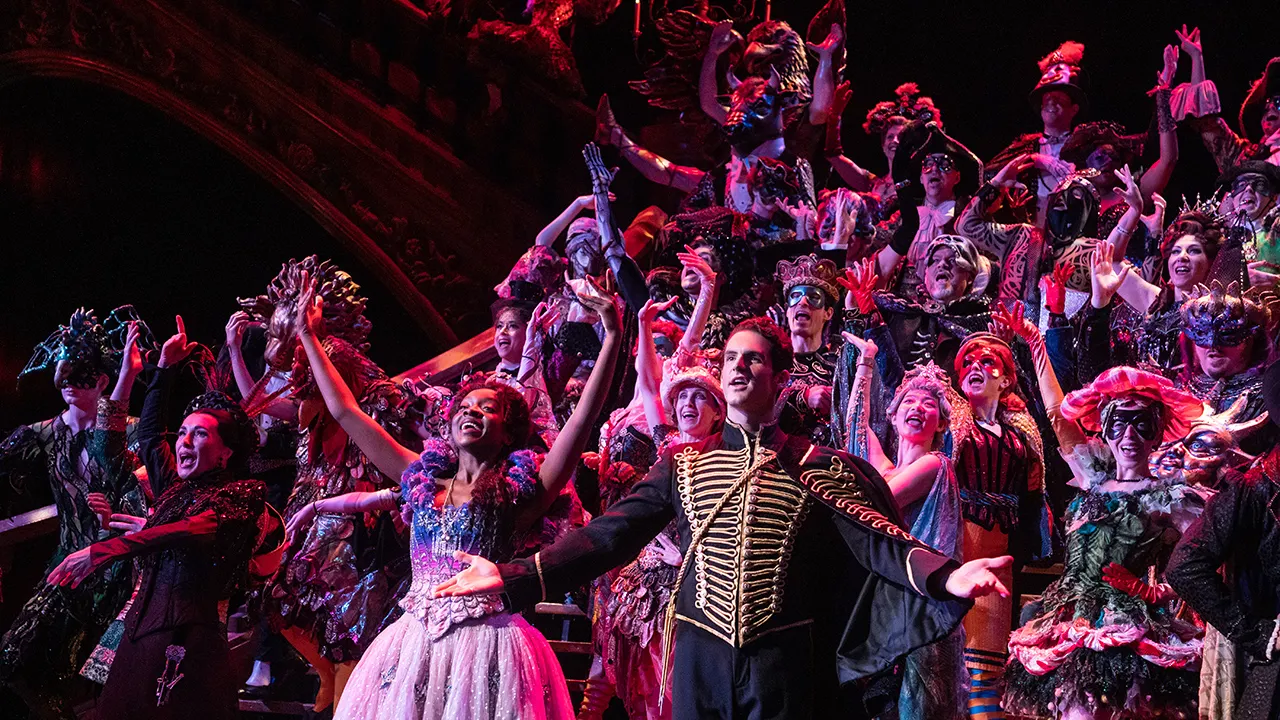
The Phantom of the Opera House

Nestled within the heart of a grand city, the opera house stands as a testament to the grandeur of a bygone era. Its ornate facade, adorned with intricate carvings and statues, hints at the splendor that lies within. But beneath the glittering chandeliers and the velvet curtains, a legend whispers through the corridors the legend of the Phantom of the Opera House.

The story begins in the late 19th century, a time when the opera house was the cultural epicenter, attracting the elite and the aspiring with its promise of high art and melodic enchantment. It was during this period that the first murmurs of a ghostly presence began to circulate among the staff and performers. A shadowy figure, unseen yet ever-present, haunted the labyrinthine underbelly of the building. This specter, known only as the Phantom, was said to possess a profound love for music and an equally profound disfigurement that kept him hidden from the world.

The Phantom’s existence was marked by a series of mysterious occurrences. Rehearsals would be disrupted by inexplicable noises, props would move of their own accord, and the chandelier that once illuminated the stage would sway ominously, as if controlled by an unseen hand. The opera house’s management, fearing for their reputation and the safety of their patrons, chose to dismiss these events as mere superstition. However, the performers and the backstage crew knew better. They had felt the Phantom’s presence, heard his haunting melodies echoing through the empty auditorium at night, and some even claimed to have seen his grotesque visage lurking in the shadows.

As the legend grew, so did the Phantom’s influence. He became a protector of the opera house, a guardian spirit who would not tolerate mediocrity. It was said that he had a particular fondness for a young soprano, whose talent he nurtured from the shadows. In return for her success, the Phantom demanded only one thing: her affection. But love, as it often does, complicated matters. The soprano found herself torn between the Phantom’s ghostly devotion and the allure of a normal life with a handsome suitor.

The climax of the Phantom’s story is a tale of tragedy, sacrifice, and redemption. Betrayed by the very love he sought, the Phantom confronts his own monstrous nature and the isolation it has wrought. In a final act of selflessness, he releases the soprano from his grasp, allowing her to choose her own path. With his heart broken but his soul at peace, the Phantom vanishes into the depths of the opera house, leaving behind a legacy of mystery and music.

Today, the opera house stands as a monument to the Phantom’s memory. Visitors and performers alike speak of feeling a presence during performances, a sense that they are not alone. Some say that the Phantom still roams the catacombs beneath the stage, forever watching over his beloved opera house. Others believe that his spirit has found rest, his story told through the countless adaptations and interpretations that have kept his memory alive.

The Phantom of the Opera House is more than just a legend; it is a reminder of the power of art to inspire, to haunt, and to heal. It is a story that transcends time, a melody that resonates with the human condition. And as long as the opera house stands, the Phantom will live on, a ghostly maestro conducting the symphony of shadows and light.