A Haunted Theater Mystery: The Specter of the Opera

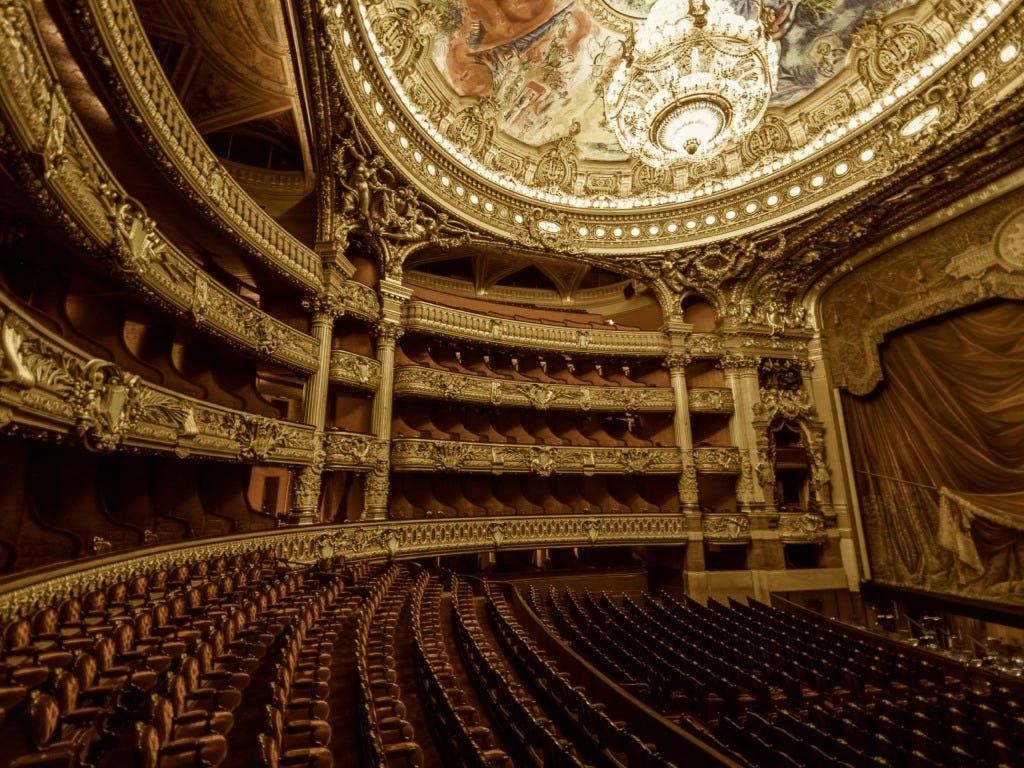
zoharmusic.com – Nestled in the heart of a bustling city, the Grand Opera House has stood as a testament to the enduring power of performance and art for over a century. Its grand facade, adorned with intricate carvings and gilded accents, has welcomed countless patrons through its doors. Yet, beneath the glittering chandeliers and plush velvet seats lies a mystery that has captivated and chilled the hearts of those who dare to listen the tale of the Specter of the Opera.

The story begins in the late 19th century, during the golden age of opera, when the Grand Opera House was the epicenter of cultural life. It was a time when the arts were revered, and the opera house was a place of magic, where the world’s most talented singers and musicians came to showcase their art. Among them was a soprano of unparalleled talent, known only as “Madame L.”

Madame L. was the darling of the opera house, her voice a mesmerizing blend of power and purity that could bring audiences to tears. However, her beauty and talent also made her the object of obsession for a mysterious figure known only as “The Phantom.” This shadowy character, who was said to dwell in the hidden recesses of the opera house, was rumored to be a disfigured musical genius who had once been a composer for the theater.

The Phantom’s love for Madame L. was deep and dark, and he would often leave her gifts and notes, professing his undying devotion. But his affection was not to be, for Madame L. was engaged to the wealthy and handsome Vicomte de Chagny. As the opening night of the season’s most anticipated opera approached, the tension between the Phantom and Madame L. reached its zenith.

On the fateful night, as Madame L. took to the stage, a hush fell over the audience. But as she began to sing, a chilling sound echoed through the opera house—the haunting melody of the Phantom’s own composition, a requiem for his lost love. The performance was halted, and the opera house was thrown into chaos. When order was finally restored, Madame L. was nowhere to be found, and the Phantom had vanished into the night.

From that day forward, the Grand Opera House was said to be haunted by the Specter of the Opera. Patrons and performers alike reported hearing the eerie strains of the Phantom’s requiem, and some even claimed to have seen the ghostly figure of Madame L. wandering the corridors, forever searching for her lost love.

The mystery of the Specter of the Opera has become a part of the opera house’s lore, a tale told to every new generation of performers and patrons. Some say the Phantom still dwells within the walls of the theater, forever bound to the stage that was his home and the love that he could never possess.

Over the years, the Grand Opera House has undergone many renovations, yet the presence of the Specter remains. It is said that on quiet nights, when the opera house is empty, one can still hear the faint sounds of a soprano’s voice, singing a melody that seems to come from another world.

The Specter of the Opera is a haunting reminder of the power of love and obsession, and the enduring legacy of art. It is a mystery that continues to captivate and intrigue, a ghost story that is as much a part of the opera house as the performances that take place on its stage. And so, the legend lives on, a spectral presence that adds an extra layer of magic—and perhaps a touch of fear—to every performance at the Grand Opera House.
The Phantom of the Opera House

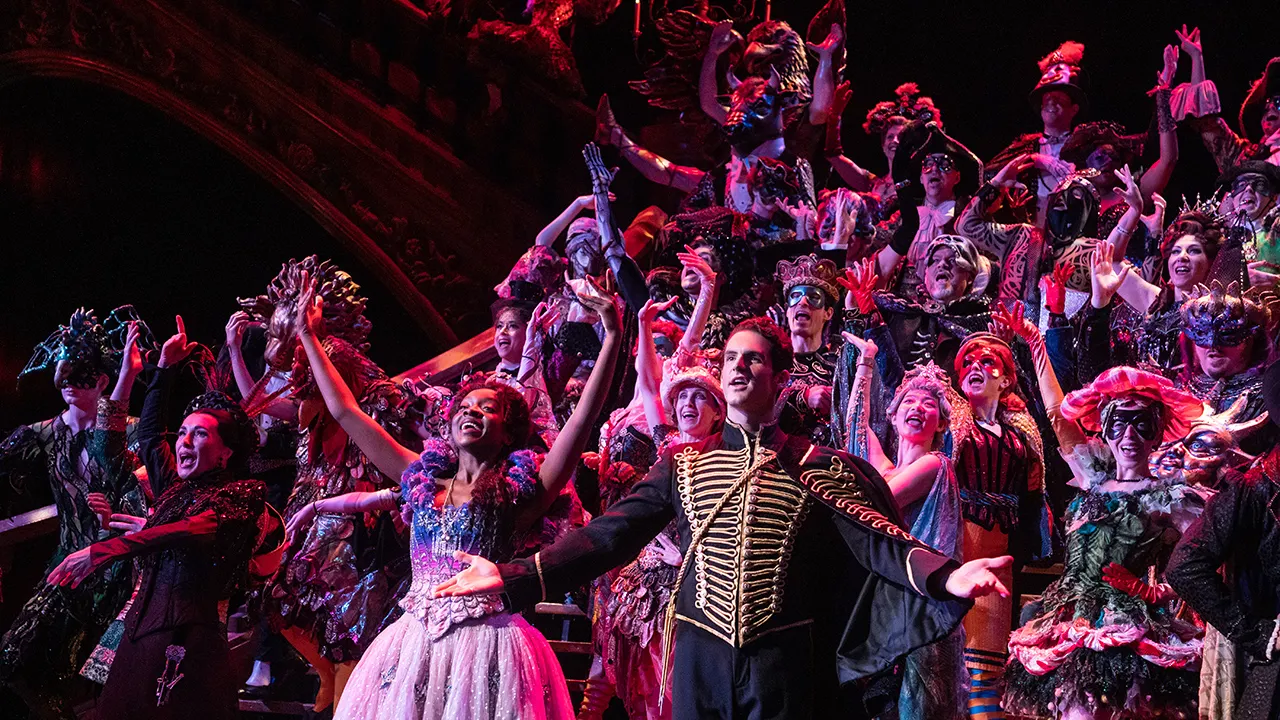
Nestled within the heart of a grand city, the opera house stands as a testament to the grandeur of a bygone era. Its ornate facade, adorned with intricate carvings and statues, hints at the splendor that lies within. But beneath the glittering chandeliers and the velvet curtains, a legend whispers through the corridors the legend of the Phantom of the Opera House.

The story begins in the late 19th century, a time when the opera house was the cultural epicenter, attracting the elite and the aspiring with its promise of high art and melodic enchantment. It was during this period that the first murmurs of a ghostly presence began to circulate among the staff and performers. A shadowy figure, unseen yet ever-present, haunted the labyrinthine underbelly of the building. This specter, known only as the Phantom, was said to possess a profound love for music and an equally profound disfigurement that kept him hidden from the world.

The Phantom’s existence was marked by a series of mysterious occurrences. Rehearsals would be disrupted by inexplicable noises, props would move of their own accord, and the chandelier that once illuminated the stage would sway ominously, as if controlled by an unseen hand. The opera house’s management, fearing for their reputation and the safety of their patrons, chose to dismiss these events as mere superstition. However, the performers and the backstage crew knew better. They had felt the Phantom’s presence, heard his haunting melodies echoing through the empty auditorium at night, and some even claimed to have seen his grotesque visage lurking in the shadows.

As the legend grew, so did the Phantom’s influence. He became a protector of the opera house, a guardian spirit who would not tolerate mediocrity. It was said that he had a particular fondness for a young soprano, whose talent he nurtured from the shadows. In return for her success, the Phantom demanded only one thing: her affection. But love, as it often does, complicated matters. The soprano found herself torn between the Phantom’s ghostly devotion and the allure of a normal life with a handsome suitor.

The climax of the Phantom’s story is a tale of tragedy, sacrifice, and redemption. Betrayed by the very love he sought, the Phantom confronts his own monstrous nature and the isolation it has wrought. In a final act of selflessness, he releases the soprano from his grasp, allowing her to choose her own path. With his heart broken but his soul at peace, the Phantom vanishes into the depths of the opera house, leaving behind a legacy of mystery and music.

Today, the opera house stands as a monument to the Phantom’s memory. Visitors and performers alike speak of feeling a presence during performances, a sense that they are not alone. Some say that the Phantom still roams the catacombs beneath the stage, forever watching over his beloved opera house. Others believe that his spirit has found rest, his story told through the countless adaptations and interpretations that have kept his memory alive.

The Phantom of the Opera House is more than just a legend; it is a reminder of the power of art to inspire, to haunt, and to heal. It is a story that transcends time, a melody that resonates with the human condition. And as long as the opera house stands, the Phantom will live on, a ghostly maestro conducting the symphony of shadows and light.