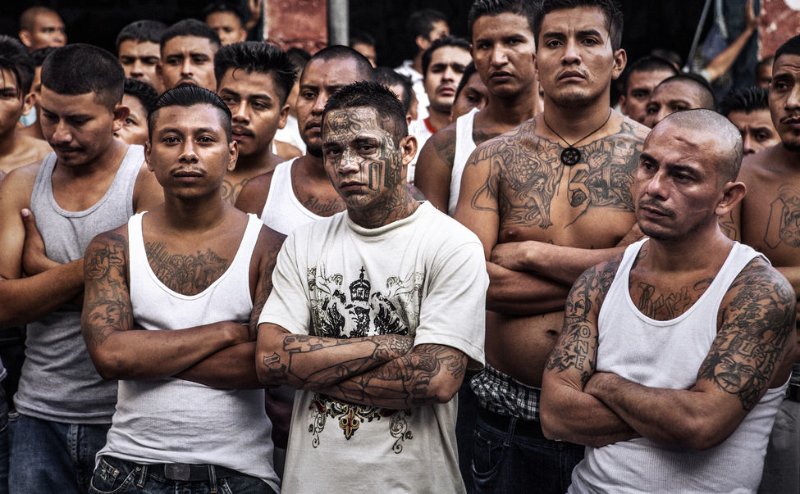
zoharmusic.com – As we look towards the future, understanding the evolving landscape of street gangs is crucial for policymakers, law enforcement, and communities. This article explores the current trends and predictions regarding the future of gangs, drawing insights from historical studies and contemporary analyses.
Historical Context
The study of street gangs has a rich history, with early insights provided by Frederic Thrasher in his seminal work, “The Gang, A Study of 1,313 Gangs in Chicago,” published in 1927. This study laid the groundwork for understanding the dynamics and challenges associated with street gangs, highlighting the complex interplay of social, economic, and environmental factors that contribute to gang formation and activity.
Current Trends
Demographic Shifts
One of the significant trends observed in recent years is the demographic shift within gang membership. Historically, gangs were predominantly composed of individuals from specific racial or ethnic backgrounds. However, contemporary gangs are increasingly diverse, reflecting broader societal changes. This shift has implications for gang dynamics and the strategies used to combat gang activity.
Technological Influence
The advent of technology has profoundly impacted gang operations. Social media platforms and encrypted communication tools have become essential tools for gang members to organize, communicate, and conduct business. This digital transformation poses new challenges for law enforcement, requiring innovative approaches to surveillance and intelligence gathering.
Economic Factors
Economic conditions continue to play a critical role in gang activity. Areas of high unemployment and poverty are often breeding grounds for gang recruitment. As economic disparities widen, the allure of gang life as a means of survival or status enhancement may increase.
Future Predictions
Increased Specialization
Looking ahead, it is likely that gangs will become increasingly specialized. This could manifest in various forms, such as gangs focusing on specific criminal activities (e.g., drug trafficking, cybercrime) or targeting specific demographics. Specialization could lead to more sophisticated criminal operations and greater challenges for law enforcement.
Enhanced Technological Use
The integration of technology is expected to continue, with gangs leveraging advanced tools for everything from recruitment to money laundering. This trend will necessitate ongoing advancements in cybersecurity and digital forensics to combat gang activities effectively.
Community Engagement
A promising trend is the growing emphasis on community-based interventions to address the root causes of gang activity. Programs that focus on education, employment, and social inclusion are showing promise in reducing gang involvement and improving community safety. As these approaches gain traction, they could play a crucial role in shaping the future of gang prevention and intervention.
Conclusion
The future of gangs is complex and multifaceted, influenced by historical precedents, current trends, and emerging technologies. By understanding these dynamics, policymakers and community leaders can develop more effective strategies to mitigate gang activity and promote safer, more inclusive communities. The key to success lies in a holistic approach that addresses both the immediate challenges and the underlying social and economic factors that contribute to gang formation.