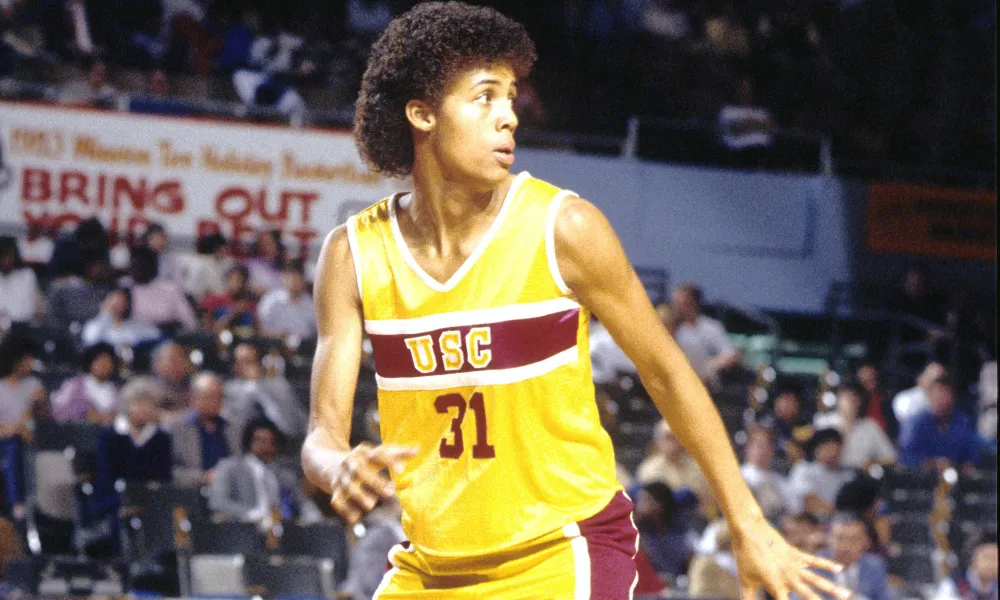
Pioneering Force in Women’s Basketball: Cheryl Miller

zoharmusic.com – Cheryl Miller, born on January 3, 1964, in Riverside, California, is a name that resonates deeply within the annals of women’s basketball. Her journey from a high school phenom to a college basketball legend, and eventually to a successful career in sports broadcasting, has left an indelible mark on the sport. Miller’s contributions to women’s basketball extend beyond her remarkable athletic prowess; she has been a pivotal figure in inspiring generations of young athletes and advocating for gender equality in sports.

Early Life and Career

Cheryl Miller’s basketball journey began in earnest during her high school years at Riverside Polytechnic High School. There, she redefined the role of the female athlete, showcasing a level of skill, athleticism, and competitiveness that was unprecedented. Her high school accolades are a testament to her dominance on the court; she was named the National High School Player of the Year in 1982, a feat that underscored her status as one of the most promising talents in the country.

College Career

Miller’s prowess on the basketball court reached new heights during her tenure at the University of Southern California (USC). From 1982 to 1986, she was the cornerstone of the USC women’s basketball program, leading the team to multiple NCAA Final Four appearances. Her college career was marked by numerous accolades, including being named the Naismith College Player of the Year in 1984. Miller’s impact at USC was so profound that she was later inducted into the Naismith Memorial Basketball Hall of Fame in 1995, a testament to her enduring legacy in the sport.

Professional Career and Beyond

Although Miller’s professional playing career was cut short due to injuries, her influence on the sport of basketball continued to grow. She transitioned into sports broadcasting, where her insightful commentary and analysis have made her a respected voice in the industry. Miller’s work has spanned various platforms, including ESPN, where she has provided coverage for major events such as the NBA Finals and the WNBA.

Advocacy and Legacy

Cheryl Miller’s contributions to women’s basketball extend beyond her athletic achievements and broadcasting career. She has been a vocal advocate for gender equality in sports, using her platform to highlight the achievements of female athletes and to push for greater recognition and resources for women’s sports. Miller’s efforts have not only paved the way for future generations of female athletes but have also played a crucial role in the evolution and growth of women’s basketball.

Conclusion

Cheryl Miller’s legacy is a testament to her pioneering spirit, her unparalleled skill on the basketball court, and her unwavering commitment to advocating for gender equality in sports. Her impact on women’s basketball is immeasurable, and her story continues to inspire young athletes around the world. As the sport of basketball evolves, Miller’s contributions will undoubtedly be remembered as pivotal moments in the journey towards gender equality in sports.
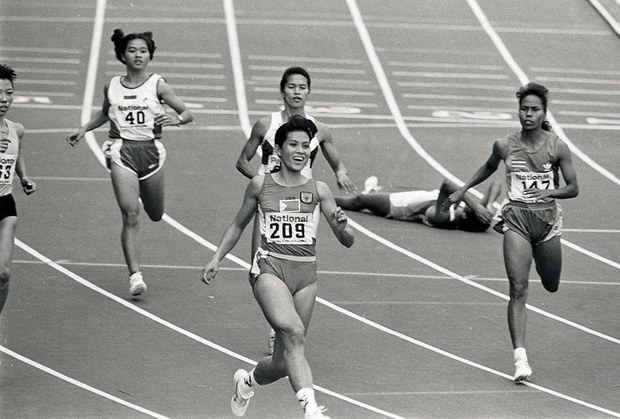
The Fastest Women in Track: Sprint Queens

zoharmusic.com – The world of track and field has always been a battleground for speed, power, and agility. Among the most thrilling events are the sprints, where athletes push their bodies to the limit in a bid to cross the finish line first. The sprint queens, the fastest women in track, have not only dominated their events but have also broken barriers, inspired generations, and left an indelible mark on the sport. This article delves into the lives and achievements of some of these remarkable athletes, showcasing their dedication, resilience, and the sheer force of their will to win.

The Pioneers

The story of sprint queens begins with the likes of Fanny Blankers-Koen, the Dutch athlete who dominated women’s athletics in the late 1940s. Known as “The Flying Housewife,” Blankers-Koen won four gold medals at the 1948 London Olympics, including the 100m and 200m sprints, despite facing numerous obstacles, including the limitations placed on women athletes at the time.

The Rise of the East

The 1960s and 1970s saw the rise of Eastern European athletes, particularly from the Soviet Union and East Germany. Athletes like Marita Koch of East Germany set records that stood for decades. Koch’s 400m world record of 47.60 seconds, set in 1985, remains unbroken to this day, a testament to her incredible speed and endurance.

The Global Stage

As the sport evolved, so did the diversity of its champions. The 1980s and 1990s brought to the fore athletes from the United States, the Caribbean, and Africa, who would dominate the sprinting events for years to come. Names like Florence Griffith Joyner, known for her distinctive style and incredible speed, and Merlene Ottey, the Jamaican sprinter who won numerous medals over a career spanning three decades, became synonymous with excellence in sprinting.

The Modern Era

The 21st century has seen the emergence of a new generation of sprint queens, athletes who have not only matched but also surpassed the achievements of their predecessors. Shelly-Ann Fraser-Pryce of Jamaica, with her multiple Olympic and World Championship gold medals in the 100m, has established herself as one of the greatest sprinters of all time. Her compatriot, Elaine Thompson-Herah, has also made a significant impact, winning multiple Olympic gold medals in both the 100m and 200m events.

The Impact

The sprint queens have not only achieved sporting excellence but have also been instrumental in changing perceptions about women in sport. They have broken records, shattered stereotypes, and inspired countless young girls to take up athletics. Their achievements have paved the way for greater participation of women in sports and have highlighted the importance of gender equality in the sporting world.

Conclusion

The sprint queens, the fastest women in track, are more than just athletes; they are icons of speed, strength, and determination. Their achievements on the track have not only earned them accolades but have also made them role models for aspiring athletes around the world. As the sport continues to evolve, one thing remains constant: the legacy of these remarkable women will continue to inspire future generations of sprint queens to reach for the stars and break new ground in the world of track and field.