Cultural Fusion: Asian-Western Marriages in Modern Times

zoharmusic.com – In an increasingly globalized world, the blending of cultures has become a common occurrence, particularly in the realm of personal relationships. One of the most fascinating aspects of this cultural fusion is the rise of Asian-Western marriages. These unions not only symbolize the merging of two distinct cultural backgrounds but also represent a modern approach to love and partnership. This article explores the dynamics, challenges, and beauty of Asian-Western marriages in contemporary times.

The Rise of Asian-Western Marriages

Asian-Western marriages have been on the rise, thanks to the ease of international travel, the proliferation of online dating platforms, and the increasing diversity within societies. This trend reflects a broader shift towards a more interconnected and multicultural world. Couples from these marriages often find themselves at the intersection of two rich cultural heritages, navigating traditions, languages, and customs that are both distinct and complementary.

Cultural Dynamics in Asian-Western Marriages

Blending Traditions

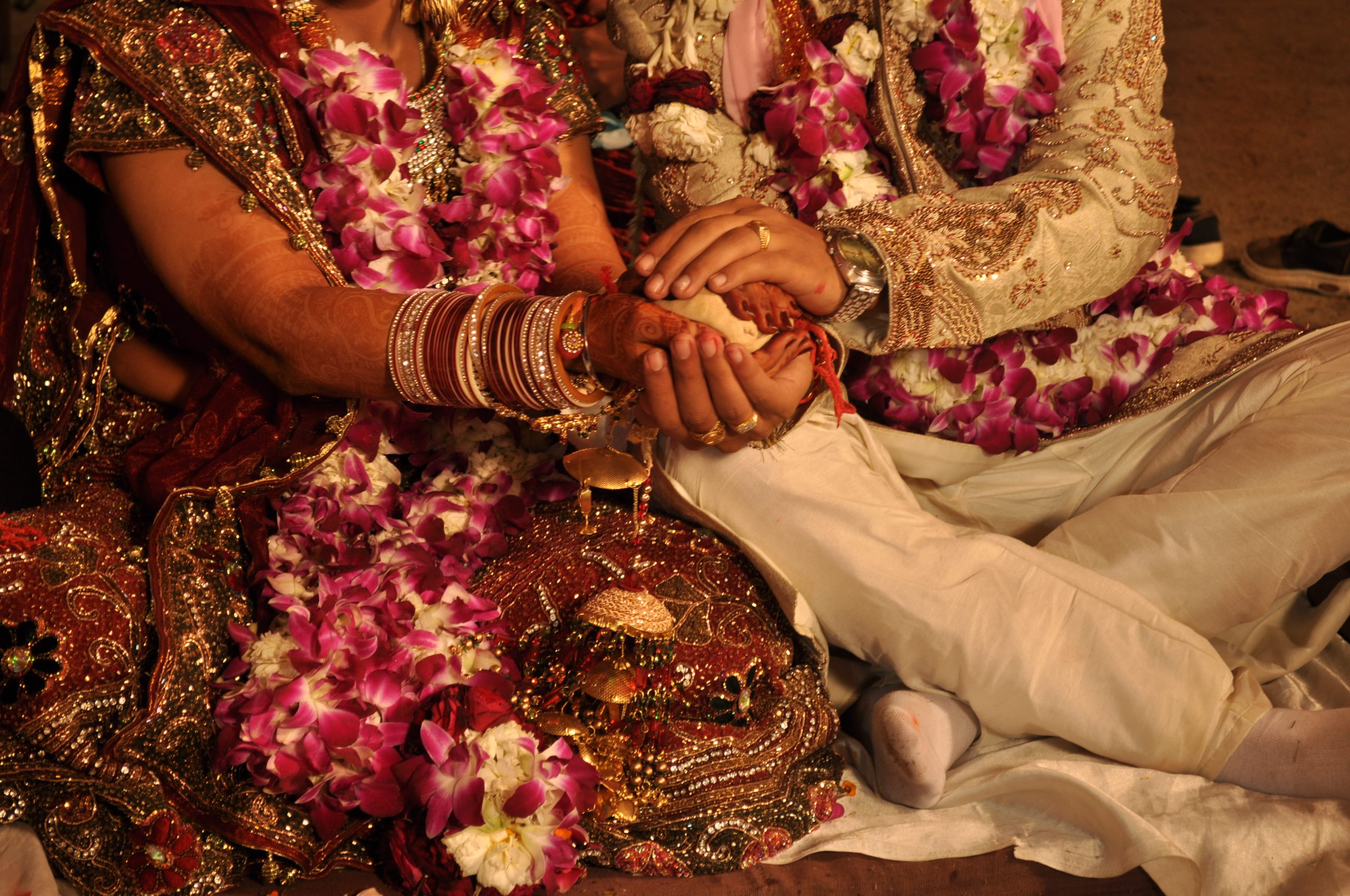
One of the most significant aspects of Asian-Western marriages is the blending of traditions. From wedding ceremonies that incorporate elements from both cultures to raising children with a bicultural identity, these marriages are a testament to the beauty of cultural fusion. Couples often find creative ways to honor their respective backgrounds, whether it’s through cuisine, festivals, or family rituals.

Communication and Understanding

Communication is key in any marriage, but it takes on added importance in Asian-Western unions. Differences in communication styles, values, and expectations can sometimes lead to misunderstandings. However, many couples view these differences as opportunities for growth and deeper understanding, fostering a relationship built on mutual respect and empathy.

Challenges Faced by Asian-Western Couples

Navigating Cultural Stereotypes

Asian-Western couples often face stereotypes and prejudices from both sides. Challenging these stereotypes requires patience, dialogue, and a commitment to educating others about the richness and diversity of their cultural backgrounds.

Balancing Cultural Expectations

Balancing the expectations of extended families can be particularly challenging. Different views on roles within marriage, child-rearing practices, and social obligations can lead to tension. Successful couples often find a middle ground that respects both cultures while allowing for personal growth and autonomy.

The Beauty of Cultural Fusion

Despite the challenges, the beauty of Asian-Western marriages lies in the unique fusion of cultures they represent. These marriages are a celebration of diversity, offering a glimpse into the rich tapestry of human experience. They remind us that love knows no boundaries and that the blending of cultures can lead to a more inclusive and understanding world.

Conclusion

Asian-Western marriages are a reflection of our modern, globalized world. They embody the challenges and opportunities of cultural fusion, offering a path forward that is both inclusive and enriching. As these marriages continue to grow in number, they serve as a powerful symbol of unity in diversity, pointing towards a future where cultural differences are celebrated rather than feared.
A Mosaic of Influences: Brazil’s Cultural Tapestry

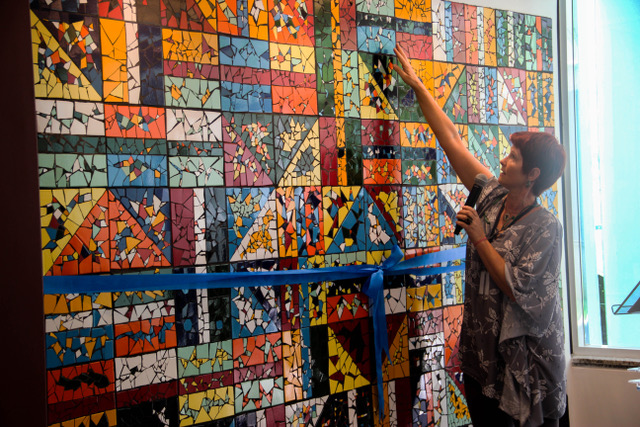
Brazil, the largest country in South America, is not only known for its vibrant festivals, lush rainforests, and iconic landmarks like Christ the Redeemer, but also for its rich and diverse cultural tapestry. This mosaic of influences is a testament to the country’s history of colonization, immigration, and indigenous heritage, creating a unique blend that is unmistakably Brazilian.

The roots of Brazil’s cultural diversity can be traced back to its indigenous peoples, who inhabited the land for thousands of years before European contact. These indigenous communities, with their varied languages, traditions, and social structures, laid the foundation for the country’s cultural mosaic. Their influence is still visible today in aspects such as music, art, and even place names across the country.

The arrival of Portuguese explorers in 1500 marked the beginning of a new chapter in Brazil’s cultural narrative. The Portuguese colonization introduced the Catholic religion, the Portuguese language, and European social structures, which significantly shaped the country’s cultural landscape. The fusion of Portuguese customs with those of the indigenous peoples created a unique syncretism, evident in religious practices, music, and cuisine.

The transatlantic slave trade brought millions of Africans to Brazil, profoundly impacting the country’s cultural tapestry. African influences are deeply ingrained in Brazilian society, particularly in the realms of music, dance, religion, and cuisine. The rhythms of samba and the vibrant costumes of Carnival, for example, are direct descendants of African traditions. Religions such as Candomblé and Umbanda, which blend African spiritual practices with Catholicism, are testament to this cultural fusion.

The 19th and 20th centuries saw a wave of immigration from Europe, the Middle East, and Asia, further enriching Brazil’s cultural mosaic. Italians, Germans, Spaniards, Japanese, and Levantines, among others, brought their languages, traditions, and culinary habits, contributing to the country’s cultural diversity. This is particularly evident in the regional cuisines of Brazil, where dishes like feijoada (a stew of beans with pork or beef) reflect the country’s Portuguese and African heritage, while sushi and Arabic sweets have become staples in urban centers.

Brazil’s cultural tapestry is also reflected in its arts and literature. The country has produced a rich array of artists, musicians, and writers who have drawn on the country’s diverse influences to create works that are both unique and universal. From the modernist movement of São Paulo and Rio de Janeiro in the early 20th century to the contemporary art scene, Brazilian artists have continually explored themes of identity, race, and nationality.

Music, in particular, is a powerful expression of Brazil’s cultural diversity. Styles such as samba, bossa nova, and forró are celebrated worldwide, each with its own regional variations and influences. The annual Carnival in Rio de Janeiro, with its parades, music, and dance, is perhaps the most famous celebration of Brazil’s cultural mosaic, drawing millions of visitors from around the globe.

In conclusion, Brazil’s cultural tapestry is a vibrant mosaic of indigenous, European, African, and immigrant influences. This rich diversity is celebrated and preserved through the country’s arts, cuisine, music, and festivals, making Brazil a unique cultural melting pot. As the country continues to evolve, its cultural tapestry remains a testament to the strength and beauty of diversity.