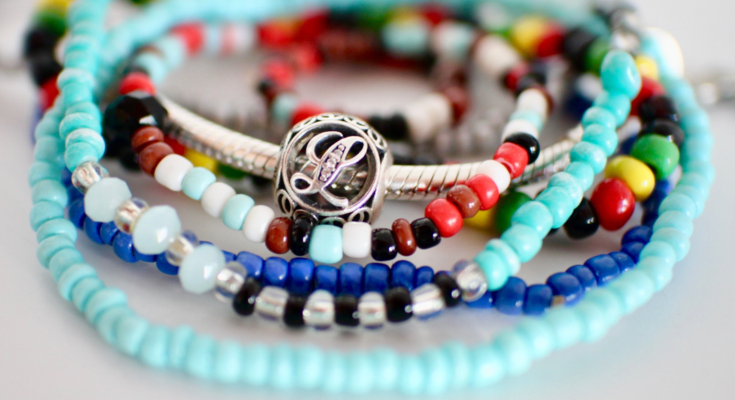
Exploring the World of Wrist Adornments: Bracelets Beyond

zoharmusic.com – Wrist adornments have been a part of human culture for centuries, serving as both a form of self-expression and a status symbol. From simple beaded bracelets to intricate gold designs, the world of wrist adornments is vast and varied. This article delves into the diverse realm of bracelets, exploring their history, cultural significance, and the modern trends that continue to captivate the world.

The History of Bracelets: From Ancient Times to the Present Day

The history of bracelets is as old as civilization itself. Ancient civilizations like the Egyptians, Greeks, and Romans adorned their wrists with bracelets made from materials like gold, silver, and precious stones. These adornments were not just for aesthetic purposes but also held symbolic meanings and were believed to bring good luck and ward off evil spirits.

Fast forward to the present day, and bracelets have evolved in design and purpose. They are now a prominent feature in the fashion industry, with designers constantly innovating to create pieces that resonate with modern sensibilities.

Cultural Significance of Bracelets Around the World

Bracelets carry a lot of meaning across different cultures. In some African cultures, beaded bracelets are used to communicate messages and tell stories. In South America, the friendship bracelet, or “pulseira de amizade,” symbolizes a bond between friends. In Asia, bracelets made from red string are believed to bring good fortune and protect against harm.

Each culture has its unique take on bracelets, making them a fascinating subject of study for those interested in anthropology and fashion history.

Modern Trends in Bracelet Design

The world of bracelets is constantly evolving, with new trends emerging each season. One of the most significant trends in recent years has been the rise of minimalist designs. Simple, elegant bracelets made from high-quality materials like stainless steel and sterling silver have become popular among both men and women.

Another trend is the use of technology in bracelet design. Smart bracelets, which can track fitness, monitor health, and even make payments, are becoming increasingly popular. These bracelets blend functionality with fashion, making them a must-have accessory for the modern individual.

The Art of Wearing Bracelets: Styling Tips and Tricks

Wearing bracelets is an art form, and there are several styling tips and tricks that can help you make the most of your wrist adornments. One of the most important tips is to consider the occasion. A delicate gold bracelet might be perfect for a formal event, while a stack of colorful beaded bracelets could be ideal for a casual outing.

Mixing and matching different bracelets is also a great way to create a unique look. Don’t be afraid to combine different materials, colors, and textures to express your personal style.

Conclusion: Bracelets as a Form of Self-Expression

In conclusion, bracelets are more than just pieces of jewelry. They are a form of self-expression, a way to connect with different cultures, and a reflection of personal style. Whether you prefer classic designs or modern trends, there’s a bracelet out there for everyone. So go ahead, explore the world of wrist adornments, and find the perfect piece to add to your collection.
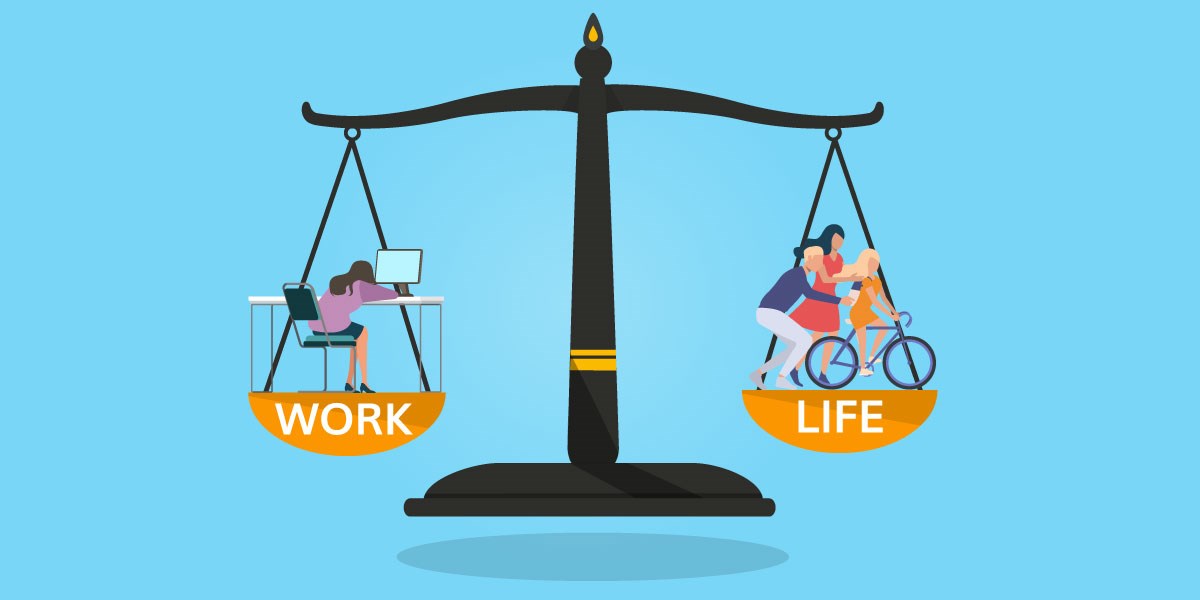

Balancing Work and Life: Success Beyond the Boardroom

zoharmusic.com – In the fast-paced world of today, the quest for success often leads individuals to the pinnacle of their careers, symbolized by the boardroom. However, true success extends far beyond the confines of the office. It encompasses a harmonious balance between professional achievements and personal fulfillment. This article delves into the strategies and mindsets that enable individuals to thrive in both their careers and personal lives, ensuring that success is not just measured by boardroom victories but also by the richness of life outside it.

Understanding the Boardroom Mentality

The boardroom represents a space where decisions are made, strategies are formulated, and success is often defined by the bottom line. Executives and professionals who spend their days in and around the boardroom are conditioned to prioritize work, sometimes at the expense of their personal lives. This mentality, while effective in climbing the corporate ladder, can lead to burnout, strained relationships, and a sense of emptiness.

The Importance of Work-Life Balance

Work-life balance is not just a buzzword; it’s a critical component of overall well-being and long-term success. It involves finding equilibrium between professional responsibilities and personal life, including family, hobbies, and self-care. Achieving this balance is essential for mental health, physical well-being, and sustained career performance.

Strategies for Achieving Work-Life Balance

  1. Setting Boundaries: Establishing clear boundaries between work and personal time is crucial. This might involve setting specific work hours, taking regular breaks, and ensuring that family time is sacred.
  2. Prioritizing Tasks: Not all tasks are created equal. Learning to prioritize work based on importance and urgency can help in managing time more effectively, reducing the need to bring work home.
  3. Delegating and Trusting: Success in the boardroom often requires learning to delegate tasks to capable team members. Trusting others to handle responsibilities not only lightens your load but also empowers your team.
  4. Embracing Technology: Leveraging technology for remote work and communication can provide flexibility, allowing for a better integration of work and personal life.
  5. Self-Care and Mindfulness: Regular exercise, meditation, and hobbies are not just leisure activities; they are essential for maintaining mental and physical health, which in turn supports professional performance.

Beyond the Boardroom: Measuring Success Holistically

True success is not confined to the boardroom or measured solely by professional achievements. It encompasses happiness, health, and the quality of relationships. By adopting a holistic view of success, individuals can strive for achievements that resonate on a personal level, contributing to a fulfilling life beyond the office.

The Role of Family and Friends

Relationships are the cornerstone of a balanced life. Investing time and energy in family and friendships can provide emotional support, joy, and a sense of belonging that no career achievement can replace.

Personal Growth and Fulfillment

Engaging in activities that promote personal growth and fulfillment, such as hobbies, learning new skills, or volunteering, adds depth to life and contributes to a sense of purpose beyond professional success.

Conclusion

Success beyond the boardroom is about achieving a balance that allows for professional achievements while also nurturing personal well-being and relationships. It requires conscious effort, strategic planning, and a shift in mindset to value life’s non-work aspects as much as career milestones. By embracing a holistic view of success, individuals can lead richer, more fulfilling lives, ensuring that their legacies are not just about what they achieved in the boardroom, but about the lives they led outside of it.

Communication Beyond Words: The Language of Animals

zoharmusic.com – In the vast tapestry of the natural world, communication is not limited to the human tongue. Animals, in their diverse forms, engage in intricate systems of communication that are essential for their survival, social interactions, and reproduction. This article delves into the fascinating realm of animal communication, exploring the myriad ways in which creatures convey messages without the need for words.

The Sonic Symphony: Vocalizations and Sounds

One of the most recognizable forms of animal communication is vocalization. Birds, for instance, are renowned for their songs and calls, which serve multiple purposes. The melodious tunes of a male bird can be a mating call, designed to attract females, or a territorial warning to other males. Similarly, the haunting howls of wolves can be heard over long distances, allowing pack members to coordinate their movements or signal their presence to rivals.

Beyond the audible range for humans, many animals use high-frequency sounds or even ultrasound. Bats, for example, emit ultrasonic waves to navigate and hunt, a technique known as echolocation. This remarkable ability allows them to construct a three-dimensional map of their surroundings, enabling them to fly with precision in complete darkness.

The Visual Language: Body Language and Signals

Animals also communicate through visual signals, which can be as subtle as a change in body posture or as conspicuous as the vibrant colors of a peacock’s tail. Body language is crucial in social interactions, conveying messages of aggression, submission, or readiness to mate. The way a dog’s ears are positioned, the angle of its tail, and the stance of its body can all indicate its intentions to other dogs.

Coloration and markings play a significant role in animal communication as well. The bright colors of poison dart frogs warn predators of their toxicity, while the striking patterns of a zebra’s coat may help in individual recognition within the herd.

The Chemical Conversation: Pheromones and Scent Marking

Scent is another powerful medium of communication in the animal kingdom. Pheromones, chemical signals released by animals, can trigger specific behavioral responses in members of the same species. These silent messengers can convey information about an individual’s reproductive status, territory boundaries, or the presence of danger.

Dogs, for example, use urine to mark their territory, leaving a clear message to other dogs about ownership and boundaries. Similarly, the pheromones released by a female moth can attract a mate from miles away, guiding him to her location through the scent trail.

The Tactile Dialogue: Touch and Physical Contact

Physical contact is yet another means by which animals communicate. The gentle nuzzling of a mare to her foal can be a sign of affection and bonding, while the aggressive headbutting of male deer during the rut is a display of dominance and strength. Elephants communicate through a complex system of touches and caresses with their trunks, which can convey a wide range of emotions and information.

Conclusion

The language of animals is a rich and complex tapestry of sounds, sights, scents, and touches. It is a testament to the ingenuity of evolution, providing creatures with the tools they need to navigate their environments, form social bonds, and ensure the continuation of their species. As we continue to study and appreciate the diverse ways in which animals communicate, we gain a deeper understanding of the natural world and our place within it. The next time you observe an animal, take a moment to consider the silent conversations happening all around you, beyond the realm of human words.

The Real Influence of Digital Personalities: Beyond the Screen

In the digital age, the concept of influence has undergone a significant transformation. Once the domain of traditional celebrities and public figures, influence now extends beyond the silver screen and glossy magazine pages to the digital realm. Digital personalities, often referred to as influencers, have emerged as powerful forces in shaping public opinion, trends, and consumer behavior. Their impact stretches far beyond the screens of our devices, influencing culture, politics, and even social norms. This article delves into the real influence of digital personalities and explores how they are reshaping the world beyond the screen.

The Rise of Digital Personalities

Digital personalities have risen to prominence through various online platforms such as YouTube, Instagram, TikTok, and Twitch. Unlike traditional celebrities, these individuals often gain their following by sharing relatable content that resonates with their audience. They may start as gamers, beauty gurus, lifestyle bloggers, or even comedians, but their influence quickly transcends their original content niche.

The Power of Authenticity

One of the key factors contributing to the influence of digital personalities is their perceived authenticity. In a world where traditional media is often seen as inaccessible or inauthentic, digital personalities offer a breath of fresh air. They share their lives, opinions, and experiences in real-time, creating a sense of intimacy and trust with their audience. This authenticity is a powerful tool that allows them to connect with their followers on a personal level, making their recommendations and endorsements more impactful.

Shaping Consumer Behavior

Digital personalities wield significant influence over consumer behavior. Brands have taken notice of their ability to drive sales and shape trends. From fashion and beauty to technology and food, influencers can introduce new products to a vast audience and create immediate demand. This influence is not limited to big names; even micro-influencers with smaller, niche followings can have a profound impact on consumer choices within their specific communities.

Cultural and Social Impact

Beyond consumer behavior, digital personalities are also shaping culture and society. They are at the forefront of social movements, using their platforms to raise awareness and mobilize their followers. Whether it’s advocating for mental health, environmental conservation, or social justice, influencers have become important voices in these conversations. Their ability to reach a wide audience quickly and effectively makes them invaluable allies in promoting positive change.

Political Influence

The influence of digital personalities is also felt in the political arena. They have the power to sway public opinion on political issues and even influence election outcomes. By sharing their views and encouraging their followers to engage in the political process, influencers can play a significant role in shaping the political landscape.

Challenges and Responsibilities

With great influence comes great responsibility. Digital personalities are increasingly being held accountable for the content they produce and the messages they spread. There is a growing awareness of the need for responsible influencing, which includes fact-checking, avoiding the spread of misinformation, and considering the potential impact of their words and actions on their audience.

Conclusion

The influence of digital personalities extends far beyond the screen, touching every aspect of our lives. From shaping consumer trends to influencing social and political movements, these digital natives have become powerful forces in the modern world. As their influence continues to grow, it is crucial for both influencers and their followers to recognize the impact they have and to use this power responsibly. In the end, the real influence of digital personalities lies not just in their ability to entertain or sell products, but in their capacity to inspire, educate, and mobilize their audiences towards positive change.