The Role of AI in Factory Optimization: Efficiency and Productivity

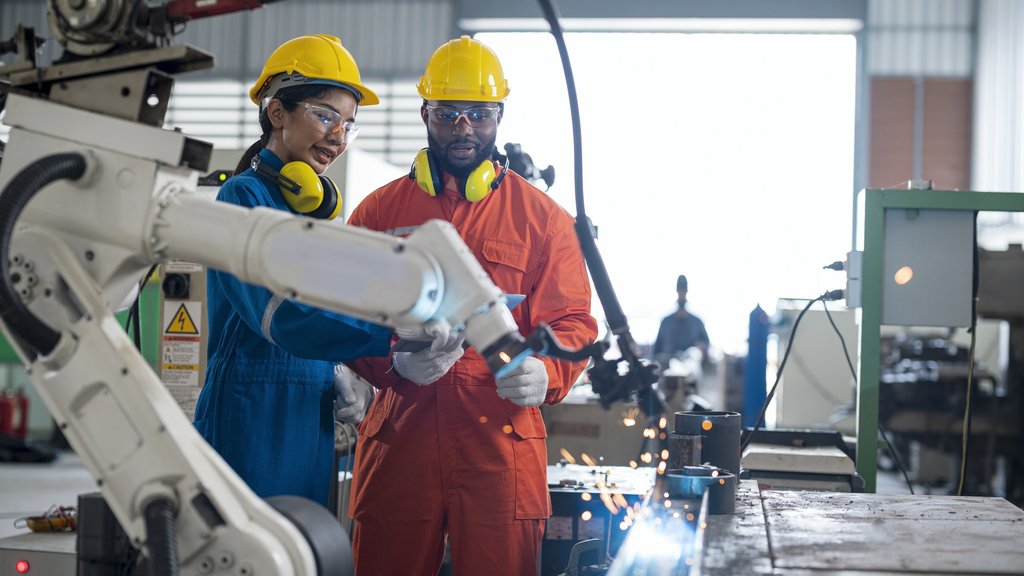
zoharmusic.com – In the ever-evolving landscape of manufacturing, staying ahead of the curve is not just an option but a necessity for survival. The integration of Artificial Intelligence (AI) into factory operations has emerged as a game-changer, offering unprecedented opportunities for optimization, efficiency, and productivity. AI, with its ability to process and analyze vast amounts of data, learn from patterns, and make predictions, is transforming the way factories operate, from the shop floor to the top floor. This article delves into the multifaceted role of AI in factory optimization and its impact on the future of manufacturing.

Predictive Maintenance:
One of the most significant contributions of AI to factory optimization is predictive maintenance. Traditional maintenance schedules are often based on fixed intervals or human judgment, which can lead to unexpected downtime or unnecessary maintenance. AI algorithms, on the other hand, can analyze data from sensors embedded in machinery to predict when equipment is likely to fail or require servicing. This proactive approach minimizes downtime, extends the life of equipment, and reduces maintenance costs.

Quality Control:
AI-powered vision systems and machine learning algorithms are revolutionizing quality control in factories. These systems can detect anomalies and defects in products with a level of precision and speed that far surpasses human capabilities. By automating the inspection process, AI ensures consistent quality standards, reduces the risk of human error, and accelerates the production cycle.

Supply Chain Optimization:
The complexity of modern supply chains requires sophisticated management to ensure that materials and products move efficiently from suppliers to manufacturers to customers. AI can analyze vast amounts of supply chain data to optimize logistics, predict demand, and manage inventory levels. This results in reduced waste, lower transportation costs, and improved customer satisfaction through timely deliveries.

Energy Efficiency:
AI can play a crucial role in optimizing energy consumption in factories. By analyzing patterns in energy usage and production processes, AI systems can identify inefficiencies and suggest adjustments to reduce energy consumption without compromising production output. This not only leads to cost savings but also contributes to sustainability and environmental responsibility.

Workforce Augmentation:
AI is not about replacing human workers but augmenting their capabilities. By automating routine and dangerous tasks, AI allows human workers to focus on more complex and creative aspects of production. AI-driven training programs can also enhance the skills of the workforce, ensuring they are equipped to handle the latest technologies and processes.

Decision Support Systems:
AI-powered decision support systems provide factory managers with real-time insights and recommendations based on data analysis. These systems can help in strategic decision-making, from scheduling production runs to managing resources, ensuring that factories operate at peak efficiency.

Conclusion:
The role of AI in factory optimization is transformative, offering solutions that were once the realm of science fiction. By leveraging AI technologies, manufacturers can achieve higher levels of efficiency, productivity, and quality. As AI continues to evolve, its integration into factory operations will only become more sophisticated, driving the fourth industrial revolution forward. For manufacturers willing to embrace AI, the future is bright, with endless possibilities for innovation and growth on the horizon.
Online Shopping Experiences: The Role of AI in Online Shopping Experiences

In the digital age, online shopping has become a cornerstone of consumer behavior, offering convenience, variety, and accessibility like never before. As the e-commerce landscape continues to evolve, the integration of Artificial Intelligence (AI) has emerged as a game-changer, transforming the way consumers shop and interact with brands. Personalized purchasing, driven by AI, is reshaping the online shopping experience, making it more intuitive, efficient, and tailored to individual preferences. This article delves into the role of AI in enhancing personalized purchasing and its impact on consumer behavior and retail strategies.

Understanding AI in E-commerce

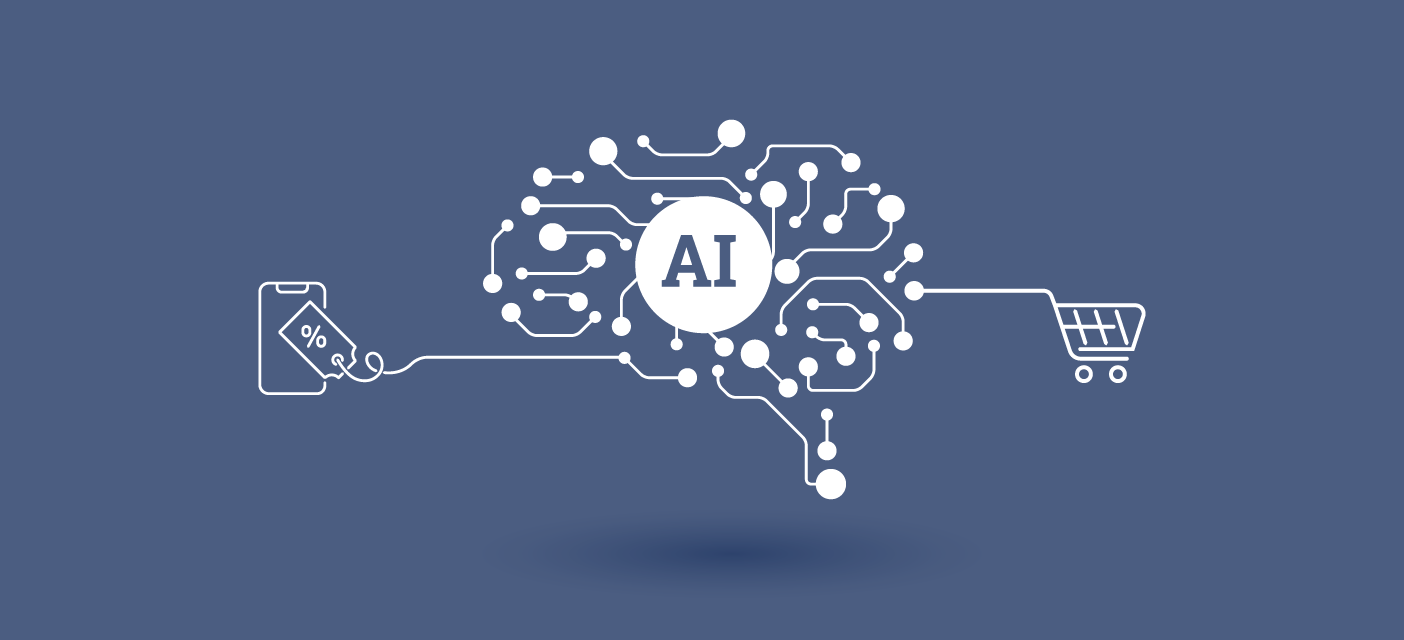
AI in e-commerce encompasses a range of technologies, including machine learning, natural language processing, computer vision, and predictive analytics. These technologies enable online platforms to analyze vast amounts of data, understand consumer behavior, and deliver personalized shopping experiences. From personalized product recommendations to customized marketing campaigns, AI is at the forefront of creating a seamless and engaging online shopping journey.

The Personal Touch: AI and Personalized Purchasing

Personalized purchasing is not a new concept, but AI has taken it to new heights. By leveraging data from past purchases, browsing history, and even social media behavior, AI algorithms can predict consumer preferences and tailor the shopping experience accordingly. This level of personalization not only improves customer satisfaction but also drives sales and loyalty.

1. Personalized Recommendations

One of the most visible applications of AI in online shopping is personalized product recommendations. E-commerce platforms use AI to analyze consumer data and suggest products that align with individual tastes and preferences. This not only helps consumers discover new products but also increases the likelihood of making a purchase.

2. Customized Marketing

AI enables retailers to create highly personalized marketing campaigns that resonate with individual consumers. By analyzing data on shopping habits, preferences, and even time of day, AI can tailor messages, promotions, and advertisements to maximize engagement and conversion rates.

3. Enhanced Search and Navigation

AI-powered search and navigation features make it easier for consumers to find what they’re looking for. Natural language processing allows shoppers to use conversational queries, while computer vision technology can interpret visual search inputs, such as uploading a photo of a product they wish to find.

4. Dynamic Pricing

AI can also influence pricing strategies by enabling dynamic pricing models. By analyzing market trends, competitor pricing, and consumer demand, AI algorithms can adjust prices in real-time, offering personalized discounts or promotions to specific customer segments.

The Impact on Consumer Behavior

The integration of AI in online shopping has a profound impact on consumer behavior. Personalized experiences not only make shopping more convenient but also foster a deeper connection between consumers and brands. As consumers become accustomed to personalized services, their expectations from retailers continue to rise. This shift in consumer expectations is pushing retailers to invest more in AI technologies to stay competitive.

Challenges and Considerations

While the benefits of AI in personalized purchasing are clear, there are also challenges and considerations. Privacy concerns are paramount, as the collection and analysis of personal data raise questions about transparency and consent. Retailers must navigate these concerns carefully, ensuring that their AI practices are ethical and respect consumer privacy.

Conclusion

AI is revolutionizing the online shopping experience, making it more personalized, efficient, and enjoyable for consumers. By leveraging AI technologies, retailers can gain a competitive edge, enhance customer satisfaction, and drive sales. As AI continues to evolve, the possibilities for personalized purchasing are endless, promising an exciting future for both consumers and retailers. However, it’s crucial for the industry to address the ethical and privacy concerns that come with this technological advancement to ensure a positive and trustworthy shopping experience for all.