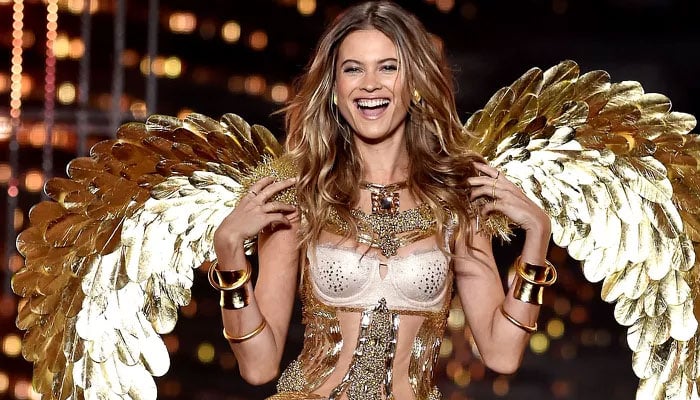
The Namibian Supermodel: Behati Prinsloo

zoharmusic.com – Behati Prinsloo, born on May 16, 1989, in Grootfontein, Namibia, is a name that resonates with elegance, beauty, and success in the fashion world. Her journey from a small town in Namibia to the international runways and glossy magazine covers is nothing short of inspiring. Prinsloo’s rise to fame is a testament to her hard work, talent, and the unique charm that has made her one of the most sought-after models in the industry.

Early Life and Career Beginnings

Prinsloo’s modeling career began at the tender age of 16 when she was discovered by a model scout in a local supermarket in Windhoek, Namibia. This chance encounter led her to participate in the annual L.A. Model Search, where she was one of the finalists. Her big break came when she signed with Storm Model Management in London, which marked the beginning of her international modeling career.

Rise to Fame

Behati Prinsloo’s rise to fame was swift. She quickly became a favorite among top designers and fashion houses, walking the runways for brands like Chanel, Givenchy, and Alexander McQueen. Her unique look, characterized by her gap-toothed smile, long blonde hair, and statuesque figure, set her apart from other models. Prinsloo’s ability to effortlessly embody both high fashion and commercial appeal made her a favorite among slot via qris brands and photographers alike.

Victoria’s Secret Angel

One of the most significant milestones in Prinsloo’s career was becoming a Victoria’s Secret Angel in 2009. This coveted position solidified her status as a supermodel and provided her with a global platform. Prinsloo has walked in numerous Victoria’s Secret Fashion Shows, donned some of the most iconic lingerie looks, and even wore the prestigious Fantasy Bra in 2014. Her association with Victoria’s Secret has been a defining aspect of her career, showcasing her versatility and star power.

Beyond the Runway

Behati Prinsloo’s influence extends beyond the runway. She has appeared in campaigns for various high-profile brands, including H&M, Pepe Jeans, and Tommy Hilfiger. Her work with these brands has not only showcased her modeling prowess but also her ability to connect with a wide audience.

In addition to her modeling work, Prinsloo is known for her philanthropic efforts, particularly in her native Namibia. She has worked with organizations to support education and wildlife conservation, using her platform for positive change.

Personal Life

Prinsloo’s personal life has also been in the spotlight, particularly her marriage to musician Adam Levine, the lead singer of Maroon 5. The couple married in 2014 and has since welcomed two daughters. Prinsloo has spoken openly about balancing her career with motherhood, advocating for work-life balance in the modeling industry.

Conclusion

Behati Prinsloo’s journey from a small town in Namibia to becoming an international supermodel is a story of talent, hard work, and perseverance. Her impact on the fashion industry, combined with her philanthropic efforts, makes her a role model for aspiring models and young women around the world. As she continues to grace the runways and advocate for causes close to her heart, Prinsloo’s legacy as a supermodel and humanitarian is sure to inspire future generations.
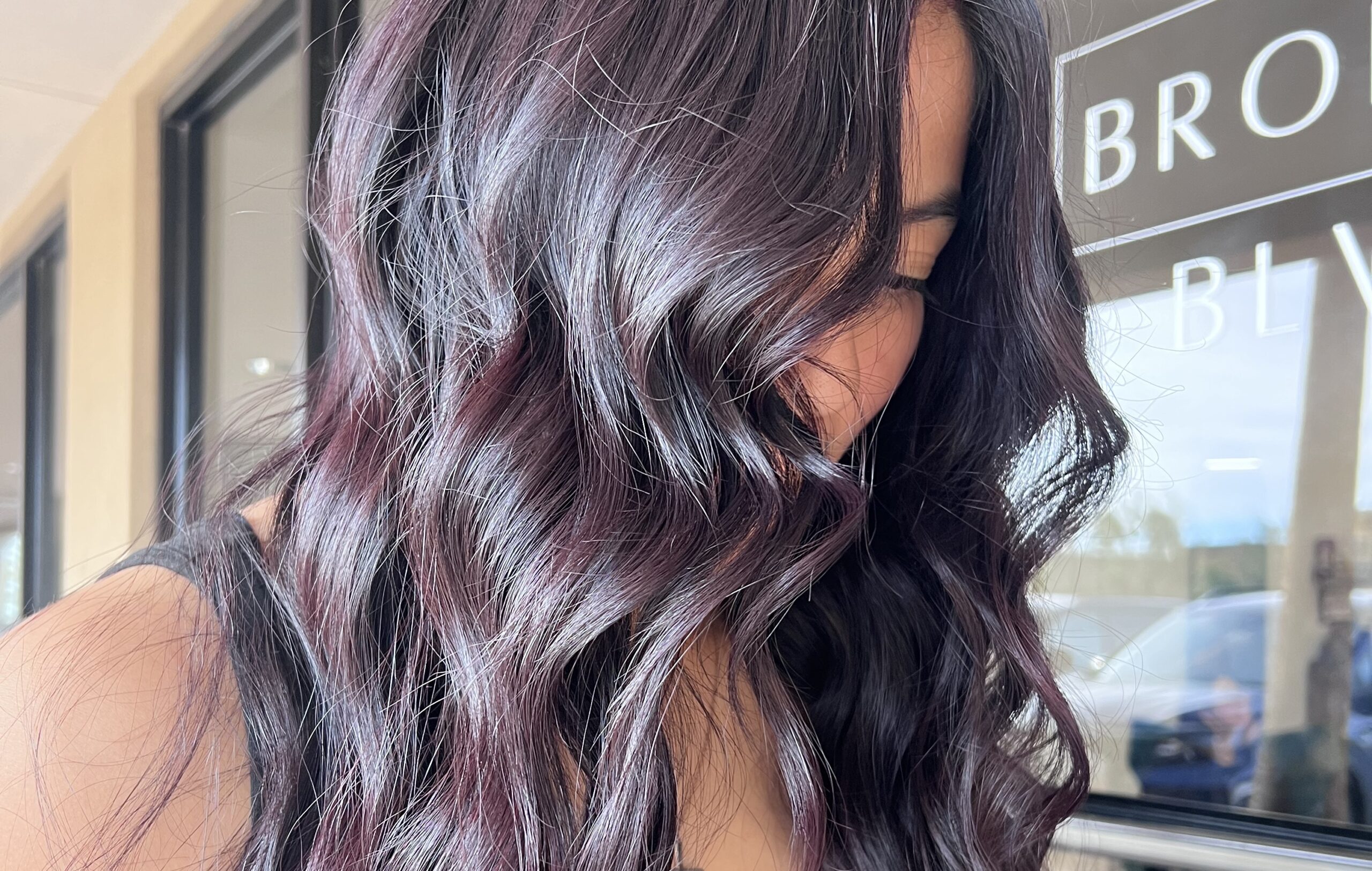
Sustainable Products and Practices for Healthy Hair: Eco-Friendly Hair Care

In an era where environmental consciousness is at an all-time high, eco-friendly hair care has emerged as a significant trend in the beauty industry. Consumers are increasingly seeking out sustainable products and practices that not only benefit their hair but also have a minimal impact on the planet. This shift towards green hair care is a testament to the growing awareness of the importance of protecting our environment for future generations. Here, we explore the world of eco-friendly hair care, highlighting sustainable products and practices that promote healthy hair and a healthy planet.

Understanding Eco-Friendly Hair Care

Eco-friendly hair care involves using products and practices that are kind to the environment. This includes reducing waste, conserving water, and choosing products that are free from harmful chemicals and are derived from sustainable sources. The goal is to maintain healthy hair without compromising the health of the planet.

Sustainable Products for Healthy Hair

1. Natural and Organic Hair Care Products

Natural and organic hair care products are at the forefront of eco-friendly hair care. These products are made from ingredients that are grown without the use of pesticides and synthetic fertilizers, reducing the environmental footprint. Brands like Aveda and John Masters Organics offer a wide range of organic hair care products that are not only good for your hair but also for the environment.

2. Biodegradable and Zero-Waste Options

The beauty industry is a significant contributor to plastic waste. To combat this, many brands are now offering biodegradable and zero-waste hair care options. Products come in eco-friendly packaging, such as recyclable or compostable materials, or are available in bulk to reduce packaging waste. Ethique, for example, offers a range of waterless, solid shampoo and conditioner bars that are packaged in compostable cardboard.

3. Water-Saving Hair Care Products

Water conservation is crucial in eco-friendly hair care. Products designed to reduce the need for frequent washing, such as dry shampoos and conditioners, can significantly reduce water usage. These products also help to maintain the natural oils in your hair, promoting healthier hair.

Sustainable Hair Care Practices

1. Reducing Water Usage

Taking shorter showers and turning off the tap while shampooing or conditioning can significantly reduce water usage. Additionally, using a low-flow showerhead can decrease water consumption without affecting the quality of your shower.

2. Embracing the “No-Poo” Movement

The “No-Poo” movement encourages reducing or eliminating the use of shampoo. Instead, natural alternatives like apple cider vinegar and baking soda can be used to cleanse the hair. This practice not only reduces chemical use but also encourages the hair’s natural oils to balance, leading to healthier hair.

3. Supporting Sustainable Brands

Supporting brands that are committed to sustainability is crucial. Look for certifications such as the USDA Organic seal, the Leaping Bunny logo for cruelty-free products, and the EcoCert for environmentally friendly products. By choosing these brands, you contribute to a more sustainable beauty industry.

Conclusion

Eco-friendly hair care is about making conscious choices that benefit both your hair and the planet. By opting for natural and organic products, embracing zero-waste and water-saving practices, and supporting sustainable brands, you can play a significant role in protecting the environment. Remember, every small step counts towards creating a healthier planet for future generations. So, the next time you reach for a hair care product, consider its impact on the environment and choose wisely. Together, we can make a difference, one eco-friendly choice at a time.